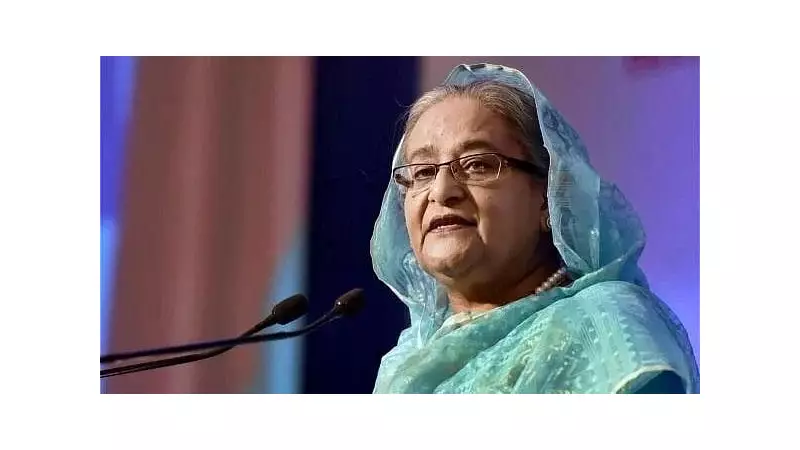
The recent legal sentence against Sheikh Hasina has plunged Bangladesh into a political crisis that threatens to undermine the country's democratic foundations. The development marks a significant escalation in what many observers are calling the return of vendetta politics to the South Asian nation.
The Political Context of Hasina's Sentence
On November 20, 2025, the situation reached a critical point when Sheikh Hasina, the prominent political leader, faced sentencing in a case that has drawn international attention. The timing and nature of the legal proceedings have raised questions about political motivations behind the judicial action.
According to analyst Anand Kumar, who first reported on the developing situation, the case represents more than just a legal matter—it symbolizes the deepening political divisions within Bangladesh. The sentence comes at a time when the country was already experiencing significant political tension between opposing factions.

Regional Implications and Security Concerns
The political instability in Bangladesh carries serious implications for the broader South Asian region. As one of India's immediate neighbors, any significant political upheaval in Bangladesh inevitably affects regional stability and bilateral relations.
The return of vendetta politics threatens to reverse democratic gains made in recent years and could potentially create security challenges that extend beyond Bangladesh's borders. The intensifying polarization risks creating a vacuum that might be exploited by extremist elements, thereby affecting the entire neighborhood's security architecture.
Democracy on Trial: The Bigger Picture
What makes this situation particularly concerning is that it represents a test case for democratic institutions in Bangladesh. The judicial process is being closely watched by international observers and regional partners who are concerned about the precedent it might set for political opposition in the country.
The case against Hasina has become a lightning rod for broader debates about the state of democracy in Bangladesh. It raises fundamental questions about the independence of judicial institutions and the use of legal mechanisms for political purposes.
As the situation continues to evolve, the international community remains watchful of how this political drama will impact not only Bangladesh's internal stability but also its relationships with key regional partners, particularly India, which shares deep historical, cultural, and economic ties with its eastern neighbor.