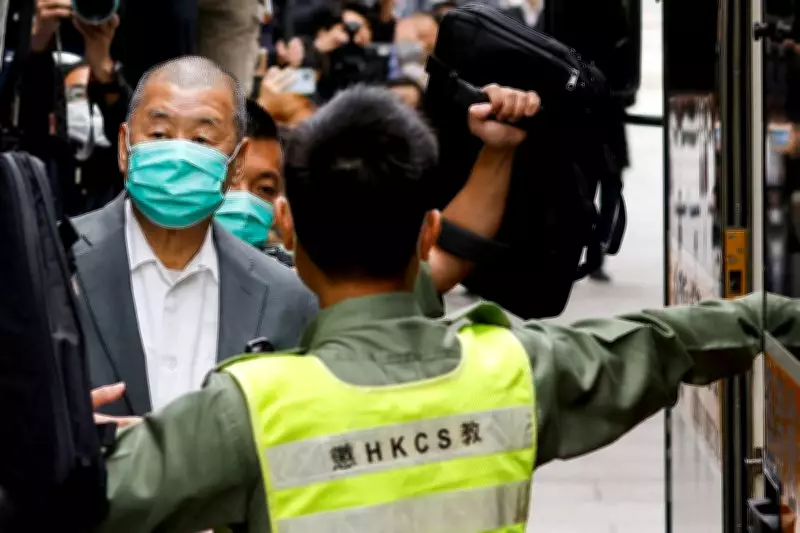
Hong Kong's Former Media Tycoon Jimmy Lai Receives 20-Year Prison Sentence in Landmark National Security Case
In a significant legal development, Hong Kong's former media tycoon Jimmy Lai has been sentenced to 20 years in prison under the national security law. This high-profile case has drawn international attention and raised concerns about press freedom and judicial processes in the region.
Details of the Sentencing and Charges
The sentencing follows Lai's conviction on charges related to national security, which were brought under the controversial law imposed by Beijing in 2020. The court found Lai guilty of activities deemed threatening to China's sovereignty and security, leading to the lengthy prison term. This case is part of a broader crackdown on dissent in Hong Kong, with authorities targeting individuals and groups perceived as opposing the central government.
Jimmy Lai, the founder of the now-defunct Apple Daily newspaper, was a prominent figure in Hong Kong's media landscape. His publication was known for its critical stance towards the Chinese government, and its closure in 2021 amid financial pressures and legal actions marked a turning point for press freedom in the city. The sentencing underscores the tightening control over media and political expression in Hong Kong since the implementation of the national security law.

Implications for Hong Kong and International Reactions
The case has sparked widespread debate and condemnation from human rights organizations and Western governments, who view it as an erosion of Hong Kong's autonomy and freedoms. Supporters of Lai argue that the charges are politically motivated, aimed at silencing opposition voices. In contrast, Chinese authorities maintain that the law is necessary to maintain stability and security in Hong Kong, which has seen protests and unrest in recent years.
This sentencing is expected to have far-reaching consequences for Hong Kong's legal system and its relationship with mainland China. It may deter other activists and journalists from speaking out, potentially leading to a more subdued public discourse. The international community is closely monitoring the situation, with calls for the protection of human rights and the rule of law in Hong Kong.
Background on Jimmy Lai and the National Security Law
Jimmy Lai's career spanned decades, during which he built Apple Daily into one of Hong Kong's most influential newspapers. His arrest and subsequent trial have been closely watched, symbolizing the clash between Hong Kong's traditional freedoms and Beijing's increasing oversight. The national security law, which criminalizes acts of secession, subversion, terrorism, and collusion with foreign forces, has been used to prosecute numerous individuals since its enactment.
- The sentencing highlights the legal risks faced by media figures in Hong Kong under the current political climate.
- It raises questions about the future of independent journalism and freedom of expression in the region.
- The case may influence Hong Kong's economic and social dynamics, as investors and residents assess the environment for business and civil liberties.
As Jimmy Lai begins his prison term, the world watches to see how this case will shape Hong Kong's trajectory in the years to come. The outcome is likely to impact diplomatic relations and ongoing discussions about human rights in China and its territories.