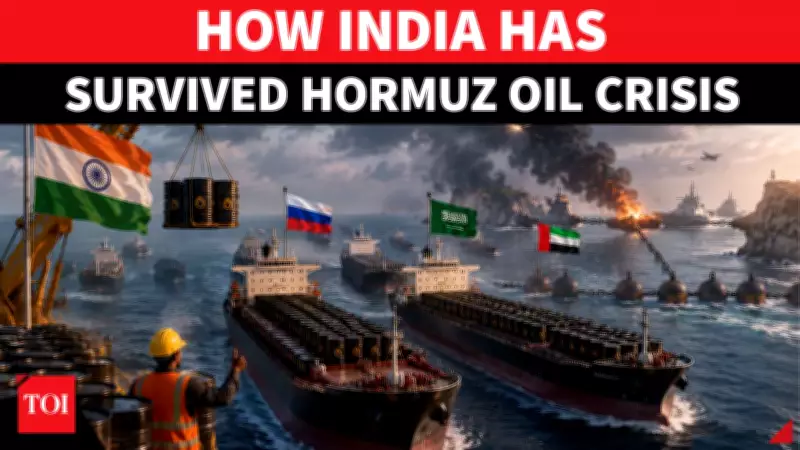
Since late February, the Strait of Hormuz — the world’s most critical oil chokepoint — has effectively been shut down by conflict in the Middle East. The Strait of Hormuz handles almost one-fifth of all crude oil traded globally. And for India, the strait is even more important than most people realize.
How India Avoided a Severe Oil Supply Crunch
This should have triggered a situation of a severe oil supply crunch. But a situation of crisis has been avoided so far. If the Strait of Hormuz has been de facto closed for over 2 months, where is India managing to get its oil from?
Key Strategies Adopted by India
- Diversification of oil imports: India has increased oil imports from Russia, which have surged to record levels. Russia has become a major supplier, offering discounted crude oil.
- Strategic petroleum reserves: India has utilized its strategic petroleum reserves (SPR) to buffer against supply disruptions. The country has built underground storage facilities to hold emergency oil stocks.
- Alternative shipping routes: India has explored alternative shipping routes and secured insurance for vessels that bypass the Strait of Hormuz, such as through the Cape of Good Hope or using the Suez Canal.
- Diplomatic efforts: India has engaged in diplomatic talks with key players, including the United States, Iran, and Saudi Arabia, to ensure continued oil flows and maintain energy security.
Impact on Petrol Prices and Domestic Economy
Despite the crisis, petrol prices in India have remained relatively stable, though there have been minor hikes. The government has also considered reducing excise duties to cushion the impact on consumers. The broader economy has been shielded due to the proactive measures taken by the government and oil companies.

Role of Russia in India's Energy Security
Russia has emerged as a critical partner for India during this crisis. Indian refineries have been processing Russian crude oil, which is sold at a discount compared to global benchmarks. This has helped India maintain its refining margins and keep fuel prices in check.
In conclusion, India has managed to navigate the Strait of Hormuz oil crisis through a combination of import diversification, strategic reserves, alternative routes, and diplomatic engagement. While the situation remains fluid, India's proactive approach has so far prevented a major energy crisis.