

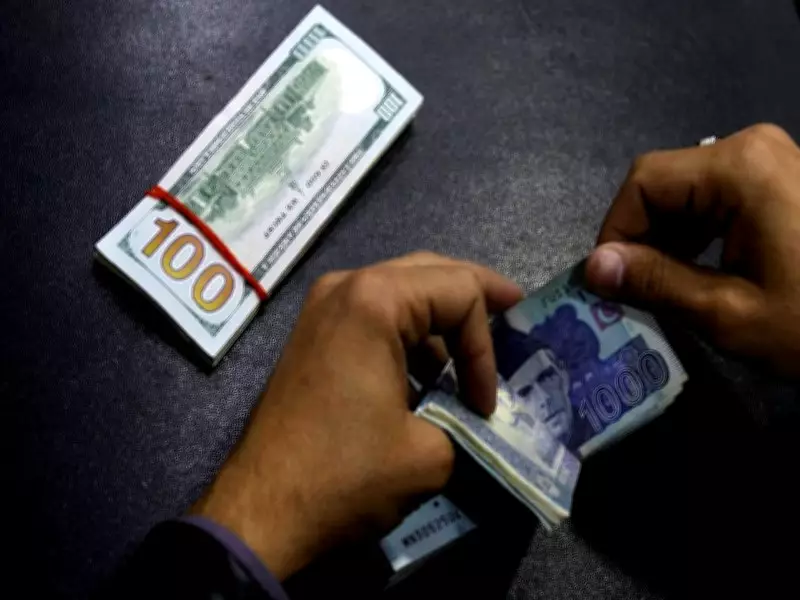
The International Monetary Fund (IMF) has intensified its scrutiny of Pakistan's financial practices, demanding that the country take concrete steps to combat money laundering and plug fiscal black holes before the upcoming budget. This move comes as part of the IMF's ongoing conditions for providing financial assistance to the cash-strapped nation.
IMF's Stance on Financial Reforms
The IMF has made it clear that Pakistan must demonstrate significant progress in tackling illicit financial flows and improving transparency in its economic system. The lender is particularly concerned about the prevalence of black money and the informal economy, which undermine tax collection and fiscal stability.
Key Demands
- Strengthen anti-money laundering (AML) frameworks: Pakistan is required to enforce stricter regulations and enhance the capacity of its financial intelligence unit to detect and prosecute money laundering activities.
- Expand the tax net: The IMF wants Pakistan to bring more sectors and individuals into the tax system, especially those currently operating in the informal economy.
- Improve governance in state-owned enterprises: Reforms are needed to reduce losses and corruption in public sector entities.
Implications for the Budget
These demands are expected to shape Pakistan's upcoming budget, which will likely include measures to increase tax revenue and curb leakages. The government may introduce new taxes, enhance digital tracking of transactions, and tighten oversight of financial flows.

Challenges Ahead
Pakistan faces significant hurdles in meeting these conditions. The informal economy accounts for a large portion of economic activity, and powerful interests resist reforms. Additionally, the political climate is fragile, with the government needing to balance IMF demands with public pressure for relief from inflation and unemployment.
Broader Context
The IMF's tough stance reflects its concern over Pakistan's ability to repay loans and stabilize its economy. Without credible action on money laundering and fiscal discipline, the country risks losing access to international funding, which could trigger a balance-of-payments crisis.
In conclusion, the IMF's demands set the stage for a challenging budget process in Pakistan, with the government under pressure to deliver reforms while addressing the needs of its population.






