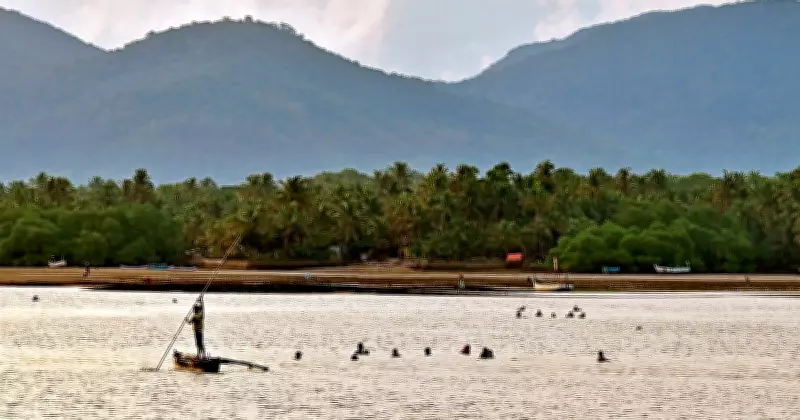
In the serene estuaries of Uttara Kannada district in Karnataka, a unique way of life thrives beneath the water surface. For generations, local communities have depended on the rich aquatic resources of these estuarine ecosystems for their livelihoods. The estuaries, where rivers meet the Arabian Sea, are teeming with fish, crabs, and other marine life that sustain thousands of families.
The Estuarine Ecosystem
Uttara Kannada boasts several estuaries, including those of the Kali, Gangavali, and Aghanashini rivers. These brackish water zones are highly productive, supporting a diverse range of species. The mangroves lining the banks provide critical nursery grounds for fish and protect the coast from erosion. The local fishing communities have developed traditional knowledge passed down through generations to navigate these waters and harvest their bounty.
Traditional Fishing Practices
Fishing methods here are often small-scale and sustainable. Fishermen use cast nets, gill nets, and traps made from natural materials. They target species like mullet, pearl spot, and crabs. Women play a crucial role in processing and selling the catch, often walking miles to local markets. This livelihood is not just about income; it is a cultural identity tied to the rhythms of the tides.

Challenges and Adaptations
However, this way of life faces mounting pressures. Climate change has altered rainfall patterns and increased the frequency of extreme weather events, affecting fish populations. Pollution from upstream agriculture and domestic waste degrades water quality. Overfishing by large commercial trawlers further depletes stocks. In response, communities are adapting through collective action and government support.
Community Initiatives
Local organizations have formed cooperatives to manage resources sustainably. They enforce seasonal bans on certain species, allowing stocks to recover. Mangrove restoration projects have been undertaken to revive critical habitats. Some villages have also diversified into ecotourism, offering boat rides and homestays to visitors interested in the estuarine ecosystem.
Government and Policy Role
The Karnataka government has implemented schemes to support traditional fishers, such as providing subsidies for boats and gear, and insurance during the monsoon season. The Fisheries Department conducts training on sustainable practices and alternative livelihoods. However, implementation gaps remain, and communities call for stricter enforcement of regulations against illegal fishing.
The Future of Estuarine Livelihoods
Despite the challenges, there is hope. Young people are increasingly engaging in sustainable aquaculture and value-added products like dried fish and pickles. Educational programs are raising awareness about conservation. The estuaries of Uttara Kannada remain a lifeline for many, and with careful stewardship, they can continue to provide for generations to come.
As the sun sets over the calm waters, the fishermen return with their catch, a testament to the enduring bond between people and the sea. The story beneath the water is one of resilience, adaptation, and an unyielding connection to nature.