

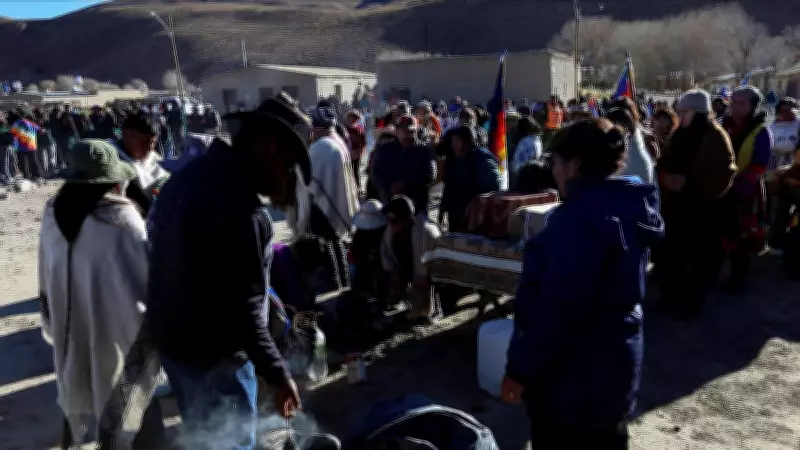
The mummy of an Inca child, known as the 'Child of Chañi,' has been formally returned to its indigenous community in Argentina, concluding a long process of repatriation. The child, aged between five and seven years, was sacrificed as part of the sacred Inca ritual called 'capacocha.'
Discovery on Chañi Mountain
The mummy was discovered accidentally at an altitude of nearly 5,900 meters (19,357 feet) on Mount Chañi, located in the province of Jujuy. Members of the military and mountaineers found the remains, which had been preserved by the cold, dry conditions of the high Andes. The discovery sparked both scientific interest and cultural sensitivity, as the child belonged to the indigenous heritage of the region.
Repatriation Ceremony
The return of the mummy was marked by a ceremony attended by local indigenous leaders, government officials, and community members. The 'Child of Chañi' is now housed in a specially prepared location within the province, where it will be treated with the respect and dignity due to an ancestor. The repatriation underscores ongoing efforts to restore cultural artifacts and human remains to their communities of origin.

The capacocha ritual was a significant Inca practice involving the sacrifice of children, often under extraordinary circumstances, to appease gods or mark important events. The return of this child's remains allows the indigenous community to honor their ancestors and preserve their cultural traditions.
The Argentine government has supported the repatriation process, recognizing the importance of cultural heritage and the rights of indigenous peoples. This event is seen as a step toward healing historical injustices and fostering a deeper understanding of pre-Columbian history.






