

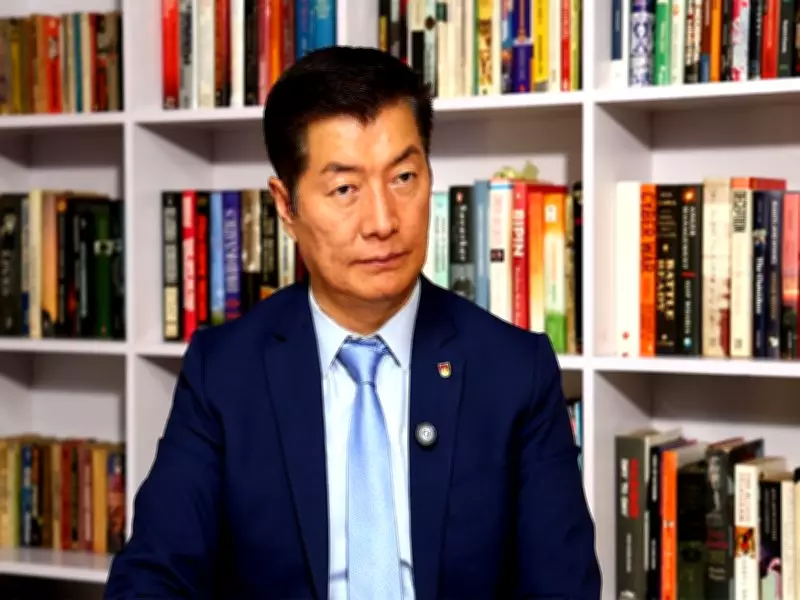
Former Tibetan Sikyong Lobsang Sangay has issued a stark warning, urging India to remain on high alert regarding the succession of the Dalai Lama. Sangay cautioned that Beijing might attempt to influence the process, which could have significant geopolitical implications.
Background of the Succession
The Dalai Lama, Tibet's spiritual leader, has indicated that his successor may be chosen after his death, breaking from tradition. This has raised concerns about potential interference from China, which claims Tibet as part of its territory. Sangay emphasized that India, as a neighbor and host to the Tibetan government-in-exile, must closely monitor the situation.
Potential Chinese Interference
Sangay stated, "China has historically tried to control Tibetan affairs, and the succession of the Dalai Lama is no exception. India must be prepared to counter any covert or overt attempts by Beijing to influence the selection." He highlighted that the Dalai Lama's successor could be a key figure in the Tibetan independence movement, making the process sensitive.

Observers note that China has previously sought to appoint its own candidates for Tibetan leadership roles. Sangay's warning comes amid rising tensions between India and China, particularly along the border in Ladakh.
India's Role and Responsibilities
India hosts the Dalai Lama and the Central Tibetan Administration in Dharamshala. Sangay called on New Delhi to ensure that the succession process remains free from external pressure. "India has a moral and strategic responsibility to protect Tibetan interests," he said.
The former Sikyong also urged the international community to remain vigilant. He stressed that the Dalai Lama's successor should be chosen based on Tibetan Buddhist traditions, not political agendas.
Reactions and Implications
Political analysts suggest that any Chinese interference could further strain India-China relations. The Tibetan government-in-exile has already accused Beijing of undermining their autonomy. Sangay's statement is likely to resonate among Tibetan exiles and human rights groups.
In response, Chinese officials have reiterated that Tibet is an inalienable part of China and that the Dalai Lama's succession is an internal matter. However, Sangay dismissed these claims, asserting that Tibet's spiritual leadership is a global concern.
India's Ministry of External Affairs has not officially commented on the matter. However, sources indicate that the government is aware of the potential risks and is taking precautionary measures.
As the Dalai Lama, now 88 years old, continues to age, the issue of succession becomes increasingly urgent. Sangay's warning serves as a reminder of the delicate balance between tradition, politics, and sovereignty in the region.






