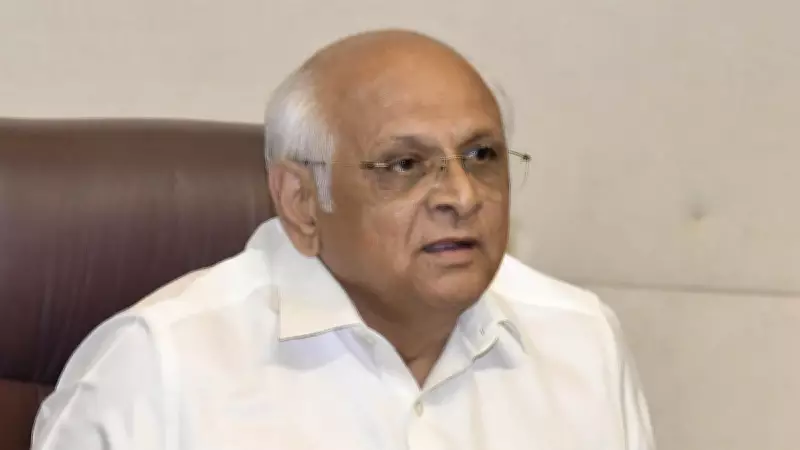
The collaboration between India and the Netherlands marks a landmark development for the Kalpasar project in Gujarat, according to Chief Minister Bhupendra Patel. Speaking at a virtual event, Patel highlighted the significance of the partnership, which aims to leverage Dutch expertise in water management and engineering for the ambitious project.
What is the Kalpasar Project?
The Kalpasar project envisions the construction of a massive freshwater reservoir in the Gulf of Khambhat, off the coast of Gujarat. Once completed, it will be one of the largest freshwater reservoirs in the world, designed to store excess water from rivers during the monsoon season for use during dry periods. The project is expected to address water scarcity in the region, support irrigation, and provide drinking water to millions.
Key Aspects of the Collaboration
The India-Netherlands collaboration brings together advanced Dutch technologies in water management, including expertise in dam construction, sedimentation control, and environmental impact assessment. The partnership also includes knowledge exchange programs and joint research initiatives to ensure the project's sustainability.

- Technical Expertise: Dutch firms will assist in designing and constructing the reservoir's infrastructure, employing innovative solutions to manage tidal flows and sediment.
- Environmental Safeguards: The collaboration emphasizes minimizing ecological disruption, with studies on marine life and coastal ecosystems.
- Economic Benefits: The project is expected to boost agriculture, industry, and employment in Gujarat, while also enhancing water security.
CM Patel's Remarks
Chief Minister Patel stated that the collaboration is a testament to Gujarat's commitment to sustainable development and international cooperation. He praised the Netherlands for its leadership in water management and expressed confidence that the Kalpasar project will serve as a model for similar initiatives worldwide. The project aligns with the state's vision of ensuring water for all and mitigating the impacts of climate change.
Future Steps
The next phase involves detailed feasibility studies and environmental clearances. The Gujarat government has allocated significant funds for the project, and the Dutch partners are expected to begin on-ground assessments soon. The project is anticipated to take several years to complete, with phased implementation to ensure quality and safety.