Readers Express Concerns Over Governance and Policy
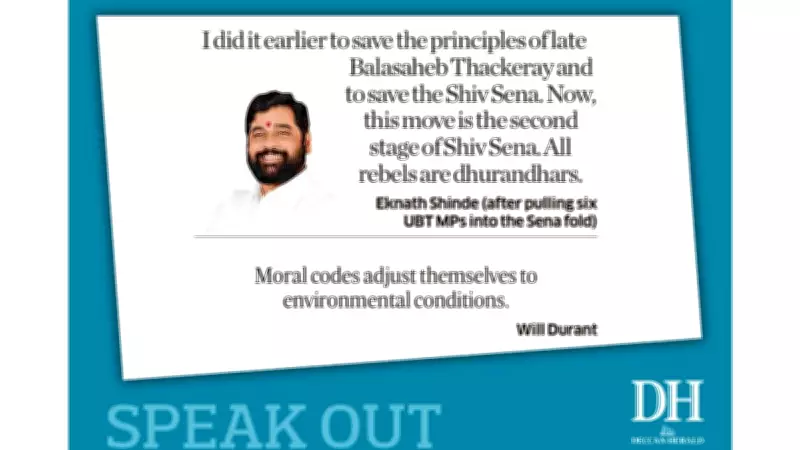
The June 23, 2026 edition of DH Speak Out presents a collection of reader letters addressing pressing national and local issues. Contributors highlight the need for transparency in government functioning, with several pointing to recent administrative decisions that have sparked debate. One reader, Ramesh Kumar from Bengaluru, notes that "citizens are increasingly frustrated with the lack of accountability in public service delivery," referencing a recent survey showing that 62% of urban residents feel dissatisfied with municipal services.
Social Issues Take Center Stage
Several letters focus on social challenges, including education reform and healthcare access. A teacher from Mysuru writes about the widening gap in digital learning resources between urban and rural schools, stating that "only 35% of rural schools have reliable internet connectivity, hindering students' ability to compete." Another contributor, a healthcare worker, emphasizes the need for better mental health support, noting that suicide rates among young adults have risen by 12% over the past year according to National Crime Records Bureau data.
National Policies Under Scrutiny
Economic and environmental policies also draw reader attention. A retired economist from Delhi criticizes the recent fuel price hike, arguing that it disproportionately affects the middle class. Meanwhile, an environmental activist from Pune calls for stronger action on air pollution, citing that the city's Air Quality Index breached the 200 mark on 45 days in the first half of 2026. The letters collectively urge policymakers to prioritize sustainable development and inclusive growth.

Engagement and Call to Action
The Speak Out column continues to serve as a platform for public dialogue, with the editor encouraging more readers to share their views. As one letter concludes, "Democracy thrives when citizens speak out; silence only empowers the status quo." The diverse opinions reflect a engaged citizenry that demands responsive governance and equitable progress.