

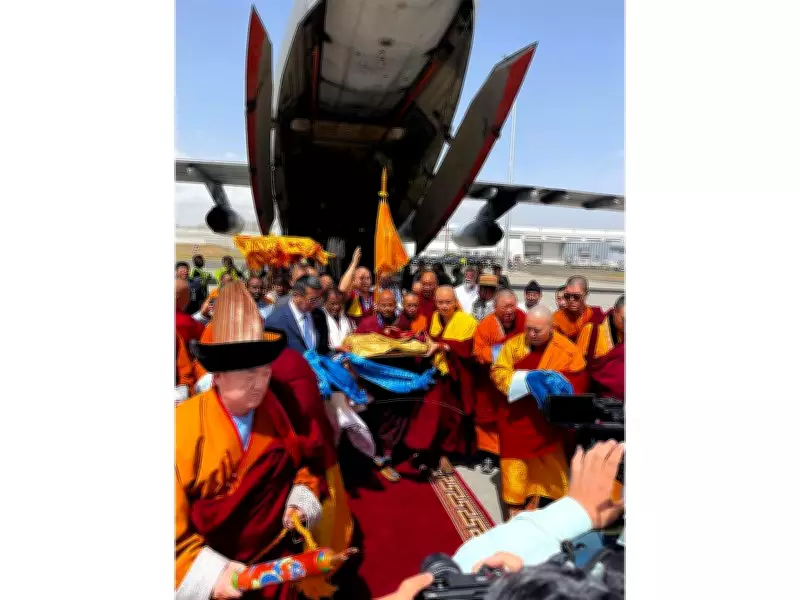
India has transferred sacred relics of Lord Buddha to Mongolia for a 10-day public exposition, a move that underscores the deepening cultural and spiritual ties between the two nations. The relics, which are considered among the most venerated in Buddhism, were handed over during a special ceremony in New Delhi.
Significance of the Event
The exposition, which began on [date], allows Mongolian devotees and the public to pay homage to the relics, which are believed to be from the corporeal remains of Lord Buddha. This event marks a significant milestone in bilateral relations, highlighting shared Buddhist heritage.
Cultural Diplomacy in Action
The transfer of relics is part of India's broader cultural diplomacy efforts, aimed at fostering goodwill and mutual understanding with Buddhist-majority nations. Mongolia, with its rich Buddhist traditions, has warmly received the relics, with thousands expected to visit the exhibition site.

Indian officials emphasized that the relics are being temporarily housed in a specially designated shrine in Ulaanbaatar, the capital of Mongolia. Security arrangements have been heightened to ensure their safety during the 10-day period.
Historical Context
India and Mongolia share a long history of Buddhist connections, dating back to ancient times when Indian monks traveled to the region. In recent years, both countries have strengthened ties through cultural exchanges, educational programs, and high-level visits.
The relics, which are normally preserved at the National Museum in New Delhi, have been sent abroad on rare occasions. Their journey to Mongolia is seen as a gesture of friendship and respect.
Reactions from Mongolia
Mongolian Buddhist leaders and government officials expressed gratitude for the opportunity to host the relics. The exposition is expected to draw large crowds, including monks, pilgrims, and tourists. Local authorities have organized prayers and rituals to mark the occasion.
The event also coincides with ongoing efforts to promote tourism and cultural heritage in Mongolia, which is known for its vast landscapes and Buddhist monasteries.
Broader Implications
This cultural exchange is part of India's Act East Policy, which seeks to deepen engagement with East Asian and Southeast Asian nations. By sharing its Buddhist treasures, India aims to reinforce its role as a custodian of Buddhist heritage and a bridge between cultures.
The successful transfer and exposition of the relics could pave the way for similar exchanges in the future, enhancing people-to-people ties and promoting peace and harmony.






