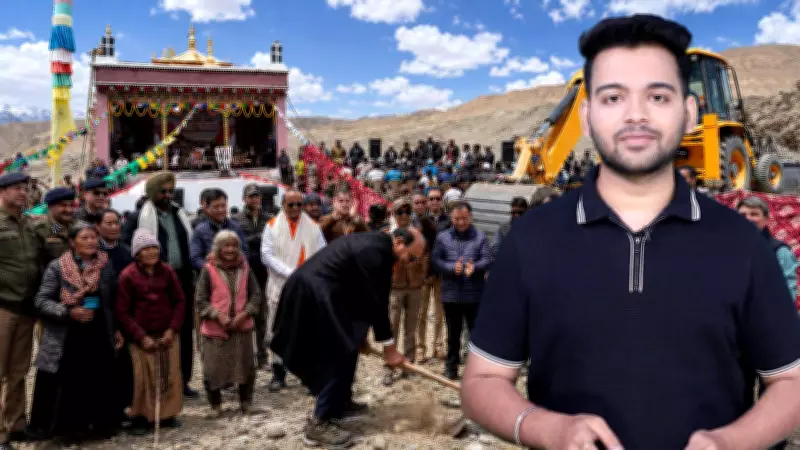
At 16,700 feet above sea level, near the Line of Actual Control (LAC) with China, the remote Ladakh village of Chumur is set to become India's first Model Border Village under the Vibrant Village Programme. This initiative, reported by TOI.in, aims to transform the sparsely populated frontier settlement into a thriving community.
Project Details and Objectives
Chumur is home to just 91 residents and 24 households. The project focuses on providing climate-resilient housing, developing tourism opportunities, and creating sustainable livelihoods. These measures are designed to encourage habitation in frontier regions, which have historically faced depopulation due to harsh conditions and strategic sensitivities.
Strategic Significance
Beyond development, the initiative reflects a broader strategic shift in India's border management. Officials recognize that populated and economically viable border communities are an important component of long-term border security. A vibrant village with basic amenities and economic opportunities can serve as a deterrent against encroachment and strengthen national sovereignty.

Potential as a Blueprint
The question remains: Can Chumur become the blueprint for India's future frontier strategy? If successful, the model could be replicated in other border areas, transforming remote outposts into sustainable settlements that contribute to both local development and national security. The project is part of the larger Vibrant Village Programme, which aims to develop infrastructure and livelihoods in border villages across the country.
This approach marks a departure from traditional border security measures that relied heavily on military presence and physical barriers. Instead, it emphasizes human habitation and economic activity as key pillars of border defense. The success of Chumur could redefine how India secures its frontiers in the long term.