India is renowned for its majestic tigers, regal lions, and graceful elephants, but beyond these charismatic megafauna lies a world of lesser-known wildlife species silently struggling for survival. From the elusive Nilgiri tahr to the critically endangered Great Indian bustard, these forgotten creatures face an uphill battle against habitat destruction, poaching, and human-wildlife conflict.
The Plight of the Underdogs
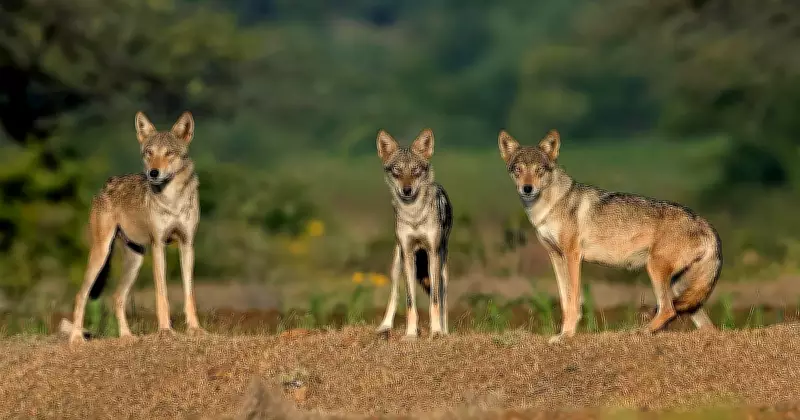
While conservation efforts often focus on flagship species, many smaller or less glamorous animals are slipping through the cracks. The Indian pangolin, for instance, is the most trafficked mammal in the world, yet it receives little attention. Similarly, the Himalayan wolf, a genetically distinct species, is threatened by habitat loss and retaliatory killings. These species play crucial roles in their ecosystems, and their decline could have cascading effects.
Habitat Loss: The Silent Killer
Rapid urbanization, agricultural expansion, and infrastructure projects are fragmenting habitats across India. The Western Ghats, a biodiversity hotspot, is losing forest cover at an alarming rate, endangering endemic species like the Malabar civet and the lion-tailed macaque. Wetlands, home to migratory birds and aquatic life, are being drained for development. Without immediate intervention, many species will be pushed to the brink.

Poaching and Illegal Wildlife Trade
Poaching remains a major threat, driven by demand for trophies, traditional medicine, and exotic pets. The Indian star tortoise, once common, is now rare due to illegal collection for the pet trade. The red panda, found in the eastern Himalayas, is hunted for its fur and captured for the illegal wildlife trade. Despite laws like the Wildlife Protection Act, enforcement remains weak, and poachers often operate with impunity.
Conservation Challenges
Conservation of lesser-known species faces several hurdles. Lack of funding, limited public awareness, and insufficient research hinder effective action. Many species are not listed under the IUCN Red List or are data-deficient, making it difficult to prioritize them. Additionally, human-wildlife conflict often leads to retaliatory killings, as seen with the Indian fox and the striped hyena.
Success Stories and Hope
Despite the grim scenario, there are glimmers of hope. Community-led conservation initiatives have helped protect the gharial in the Chambal River and the pygmy hog in Assam. The use of camera traps and citizen science projects is providing valuable data on elusive species. Organizations like the Wildlife Trust of India and the Bombay Natural History Society are working tirelessly to save these animals. However, these efforts need scaling up.
What Needs to Be Done
To secure a future for India's forgotten wildlife, a multi-pronged approach is essential. Strengthening anti-poaching laws and their enforcement is critical. Habitat restoration and the creation of wildlife corridors can help reduce fragmentation. Public awareness campaigns highlighting the importance of these species can garner support. Finally, increased funding for research and conservation programs is necessary. Every species, no matter how small, has a role in maintaining ecological balance. It is time we remember the forgotten and act before it is too late.