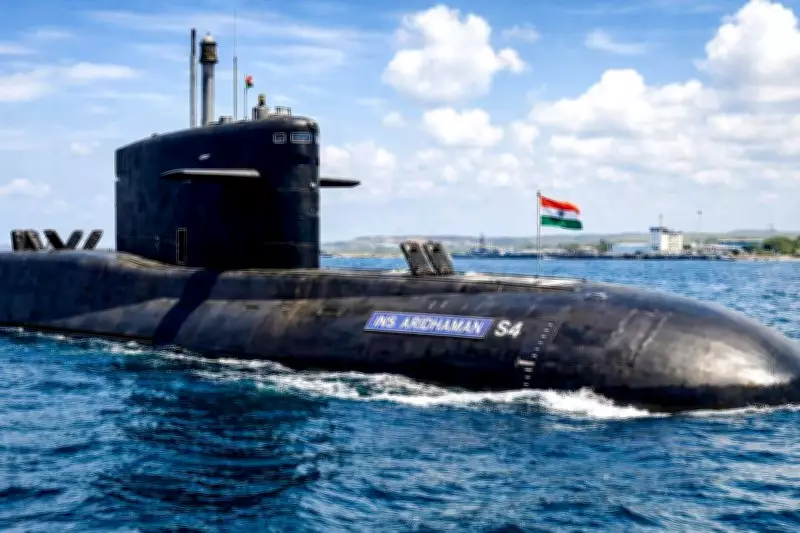
India's first submarine construction project in over two decades, known as Project-75I, is facing significant challenges that may render it insufficient to meet the Indian Navy's operational requirements. The project, which aims to build six advanced submarines with air-independent propulsion (AIP) systems, has been delayed for years due to complex procurement procedures and technology transfer issues. Experts warn that even if completed on time, the new submarines will only partially offset the Navy's depleting fleet, which is shrinking as older vessels retire.
Background of Project-75I
Project-75I was conceived as a follow-up to the Scorpene-class submarines being built under Project-75. It envisions the construction of six diesel-electric submarines with AIP technology, which allows them to remain submerged for longer periods without surfacing. The project is estimated to cost over $7 billion and is part of India's long-term plan to build a 24-submarine fleet. However, the Navy currently operates around 15 submarines, many of which are aging and will be decommissioned in the coming years.
Delays and Challenges
The project has been plagued by delays since its inception in 2007. The request for proposal (RFP) was issued only in 2021, and the selection of a foreign partner for technology transfer has been contentious. Only two foreign shipbuilders—Germany's ThyssenKrupp Marine Systems and Spain's Navantia—qualified after initial evaluations, but negotiations have stalled over pricing and intellectual property rights. The Indian government's insistence on indigenous content and the 'Make in India' policy has further complicated the process. As a result, the first boat is not expected before the early 2030s.

Impact on Navy's Capabilities
Meanwhile, the Navy's submarine fleet is dwindling. The Sindhughosh-class and Shishumar-class submarines, many of which were commissioned in the 1980s and 1990s, are nearing the end of their service lives. The Navy has already decommissioned several submarines, and by 2030, it may have as few as 10 operational submarines. This gap in capability is a major concern given China's growing naval presence in the Indian Ocean. China operates over 60 submarines, including nuclear-powered ones, and is rapidly expanding its fleet.
Alternatives and Future Plans
To address the shortfall, the Navy is exploring interim measures such as extending the life of existing submarines and leasing nuclear-powered attack submarines from Russia. However, these are temporary solutions. The government has also approved the construction of six nuclear-powered submarines under Project-76, but these will take even longer to materialize. Defense analysts argue that India needs a more aggressive approach to submarine construction, possibly by establishing a second production line or partnering with multiple foreign vendors.
In conclusion, while Project-75I is a step in the right direction, it may not be enough to reverse the decline in India's submarine fleet. The Navy's ability to protect its maritime interests and maintain a credible deterrent is at stake, and urgent action is needed to accelerate submarine building programs.