

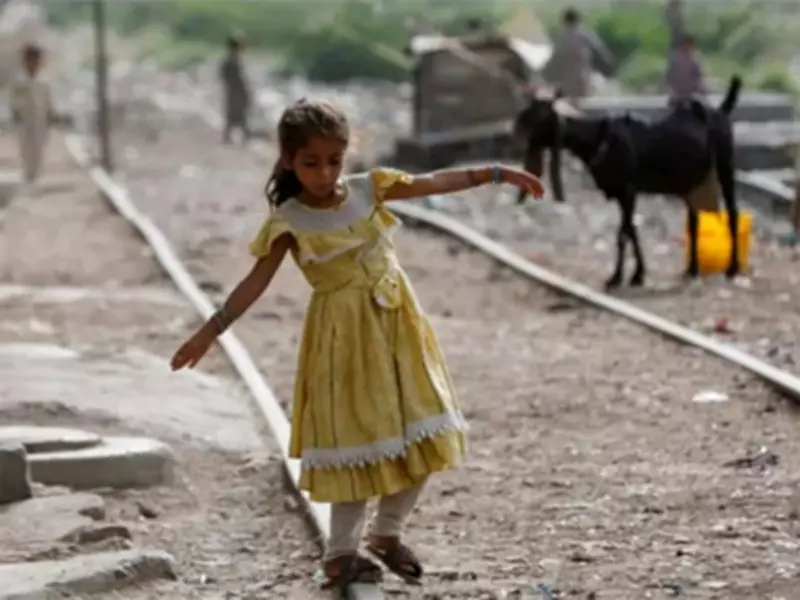
Economic Crisis Deepens Poverty in Pakistan
Pakistan's worsening economic crisis has pushed millions of citizens into poverty, exposing the severe social consequences of years of economic instability, inflation, and policy failures. According to the Economic Survey 2025-26, the country's poverty rate has climbed sharply over the past six years, leaving nearly 70 million Pakistanis living below the poverty line.
As reported by Dawn, the national poverty rate increased from 21.9 percent in 2018-19 to 28.9 percent in 2024-25. This rise translates into nearly 27 million additional people falling into poverty during the period, highlighting the worsening living conditions across the country.
Rural Areas Hit Hardest
The survey revealed that rural communities have been hit particularly hard. Poverty in rural areas rose from 28.2 percent to 36.2 percent, while urban poverty climbed from 11 percent to 17.4 percent. Provincial data shows that poverty has increased across all major regions. Balochistan remains the poorest province, with 47 percent of its population living in poverty, followed by Khyber Pakhtunkhwa at 35.3 percent, Sindh at 32.6 percent, and Punjab at 23.3 percent. Each province recorded a significant rise compared to figures from 2018-19, highlighting the nationwide nature of the crisis.

Causes of the Surge
The Economic Survey attributes the surge in poverty to a combination of economic shocks, including soaring inflation, depreciation of the Pakistani rupee, austerity measures linked to International Monetary Fund programmes, devastating floods, and disruptions caused by conflicts in the Middle East. These factors have eroded purchasing power, worsened food insecurity, and reduced the financial resilience of families dependent on remittances, as highlighted by Dawn.
Rising Income Inequality
The report also points to a sharp increase in income inequality. Pakistan's Gini coefficient rose from 28.4 in 2018-19 to 32.7 in 2024-25, indicating a wider gap between rich and poor. Urban and rural inequality both increased substantially, while Sindh recorded the highest level of inequality among the provinces, as reported by Dawn.






