

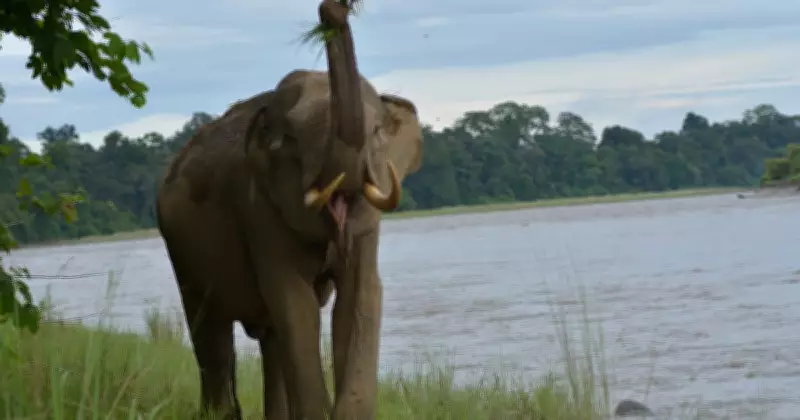
Hydro projects, highways, and other infrastructure development in Arunachal Pradesh are intensifying human-elephant conflicts, according to a recent report by WWF-India and the state forest department. The disturbance caused by these projects has led to a 78 percent increase in the distribution pattern of elephants, expanding from 7,001 square kilometers in 2019 to 12,446 square kilometers in 2024.
Rising Conflict Zones
The expanding elephant range brings them into closer contact with human settlements, leading to more frequent conflicts. The report highlights that areas previously unaffected by elephant activity are now witnessing crop raiding, property damage, and occasional casualties. The rise in distribution is attributed to habitat fragmentation due to linear infrastructure such as highways and hydroelectric projects, which force elephants to venture into new territories in search of food and safe passage.
Impact on Local Communities
Local communities bear the brunt of these conflicts, with farmers losing crops and facing threats to their livelihoods. The report emphasizes the need for mitigation measures, including early warning systems, community awareness programs, and the creation of elephant corridors. It also calls for integrating wildlife conservation into infrastructure planning to reduce future conflicts.

Government Response
The Arunachal Pradesh forest department has acknowledged the issue and is working with WWF-India to monitor elephant movements and implement conflict mitigation strategies. Officials stress the importance of balancing development with conservation, noting that sustainable infrastructure design can help minimize ecological disruption. The report recommends avoiding construction in critical elephant habitats and establishing buffer zones to prevent further range expansion.
As infrastructure projects continue to expand in the region, experts warn that without proactive measures, human-elephant conflicts will likely escalate, posing risks to both wildlife and human communities. The findings underscore the urgent need for a coordinated approach between developers, conservationists, and local authorities to ensure sustainable coexistence.






