

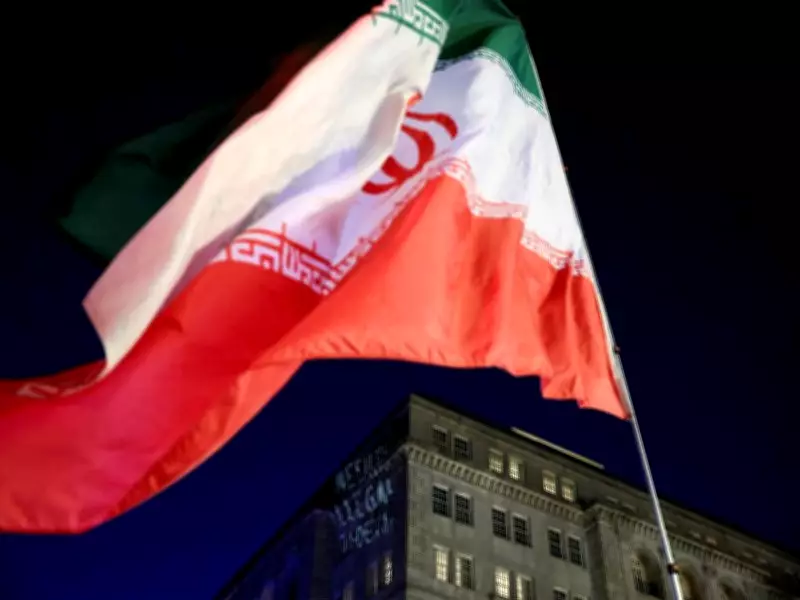
Iran has accused the United States of violating a ceasefire by targeting its oil tanker in the Gulf of Oman, warning of a 'crushing response' to any further aggression. The incident, which occurred on Wednesday, has escalated tensions between the two nations, already strained over Iran's nuclear program and regional influence.
Details of the Incident
According to Iranian officials, the US military intercepted and attempted to seize an Iranian oil tanker in the Gulf of Oman, in what Tehran describes as an act of piracy and a clear violation of international law. The tanker, reportedly carrying crude oil, was heading to an undisclosed destination when it was approached by US naval forces. Iran claims that its navy intervened to prevent the seizure, forcing the US to back down.
The US has not officially commented on the incident, but Iranian state media have released footage allegedly showing the confrontation. The Islamic Revolutionary Guard Corps (IRGC) has warned of a 'crushing response' if the US repeats such actions, emphasizing that Iran will defend its maritime rights and national interests.

Context and Reactions
This incident comes amid ongoing negotiations to revive the 2015 Iran nuclear deal, known as the Joint Comprehensive Plan of Action (JCPOA). The US, under former President Donald Trump, withdrew from the deal in 2018 and reimposed sanctions on Iran. Current US President Joe Biden has expressed willingness to return to the agreement, but talks have stalled due to disagreements over sanctions and Iran's nuclear advancements.
Iran's foreign minister, Hossein Amir-Abdollahian, condemned the US action, stating, 'The United States has violated the ceasefire and international law by targeting our oil tanker. We will not tolerate such aggression and will respond decisively.' He also called on the international community to hold the US accountable.
Regional analysts warn that the incident could further destabilize the already volatile Persian Gulf region. The Gulf of Oman is a strategic waterway for global oil shipments, and any disruption could impact global energy markets. Iran has previously been involved in confrontations with the US and its allies in the region, including the seizure of oil tankers and attacks on Saudi Arabian oil facilities.
Iran's Stance and Future Actions
Iran has vowed to take all necessary measures to protect its vessels and interests. The IRGC has declared that it will not hesitate to use force if required. 'Our response will be crushing and will make the US regret any further adventurism,' an IRGC commander said in a statement.
The incident also underscores the ongoing tensions between Iran and the US, which have been heightened by Iran's recent nuclear activities. The International Atomic Energy Agency (IAEA) has reported that Iran has enriched uranium to levels close to weapons-grade, raising concerns about its nuclear intentions.
In response to the tanker incident, Iran has called for an emergency meeting of the United Nations Security Council to discuss the US 'act of aggression.' Tehran has also urged other nations to condemn the US action and support Iran's right to free navigation.
International Community's Response
The international community has reacted with caution. The European Union has called for restraint from both sides, urging them to avoid any actions that could escalate tensions further. Russia, a close ally of Iran, has condemned the US 'provocation' and expressed support for Iran's position. China has also called for a peaceful resolution and adherence to international law.
Meanwhile, the US has not officially confirmed the incident, but some US officials have privately suggested that the operation was aimed at enforcing sanctions on Iranian oil exports. The US has imposed strict sanctions on Iran's oil industry as part of its maximum pressure campaign, which Iran has consistently rejected.

Conclusion
The confrontation in the Gulf of Oman represents a significant escalation in US-Iran tensions. With both sides unwilling to back down, the risk of a direct military conflict remains high. The incident also complicates the already fragile nuclear negotiations, as Iran may use this as leverage to demand concessions from the US. The coming days will be critical in determining whether diplomatic channels can prevent further escalation or if the region is headed for another crisis.





