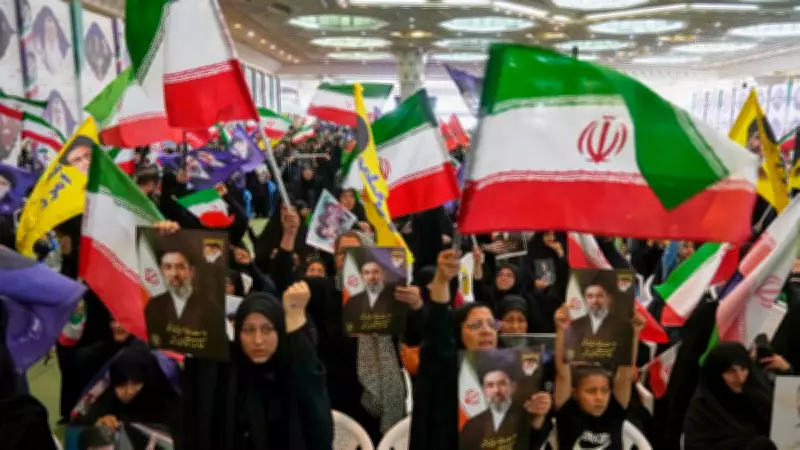
Iran has squarely blamed the United States for complicating ongoing negotiations over its nuclear programme, reiterating its refusal to discuss or negotiate on its nuclear capabilities. The statement came amid heightened tensions in the region, with Tehran also warning of potential retaliation if attacked.
Iran's Stance on Nuclear Negotiations
Speaking to reporters, an Iranian foreign ministry spokesperson accused Washington of making the talks complex by introducing unrealistic demands. Tehran maintains that its nuclear programme is peaceful and non-negotiable, insisting that the United States must first lift all sanctions imposed on Iran before any further discussions can take place. The spokesperson emphasized that Iran would not bow to pressure and would continue its nuclear activities under international supervision.
US Accused of Complicating Diplomacy
Iranian officials have repeatedly stated that the United States has not shown good faith in the negotiations. They point to the Trump administration's withdrawal from the 2015 nuclear deal, known as the Joint Comprehensive Plan of Action (JCPOA), as a major setback. Since then, Iran has enriched uranium beyond the limits set by the deal, raising concerns among Western nations. The current US administration has sought to revive the agreement but faces challenges from both Iran and domestic critics.

The spokesperson further alleged that the US is using the talks to extract concessions from Iran without offering any tangible benefits in return. Tehran insists that any agreement must guarantee the full removal of sanctions and provide economic relief to Iran, which has been struggling under severe economic pressure.
Regional Tensions and the Hormuz Threat
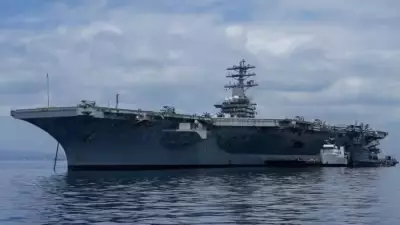
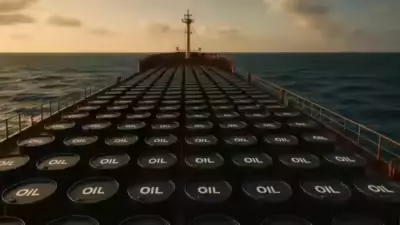
The standoff has also raised fears of a military confrontation in the strategically important Strait of Hormuz, through which about a fifth of the world's oil passes. Iran has previously threatened to disrupt oil shipments through the strait if its interests are threatened. In response, the US has bolstered its military presence in the region. However, Iran warns that any attack on its soil would be met with a strong and immediate response, potentially targeting US allies in the region.
International Reactions
The international community has expressed concern over the escalating rhetoric. European Union mediators have urged both sides to exercise restraint and return to the negotiating table. Russia and China have also called for a diplomatic solution, criticizing the US for its maximum pressure campaign against Iran. Meanwhile, Iran's neighbors, including Saudi Arabia and the United Arab Emirates, have watched nervously, fearing that a conflict could disrupt global oil supplies and destabilize the region.
Despite the impasse, some analysts believe that both Iran and the US have an interest in avoiding a full-blown crisis. The upcoming presidential elections in Iran and the midterm elections in the US could influence the timing and outcome of any potential deal. For now, the nuclear programme remains a sticking point, with Iran refusing to compromise on what it sees as its sovereign right to develop nuclear technology for peaceful purposes.