

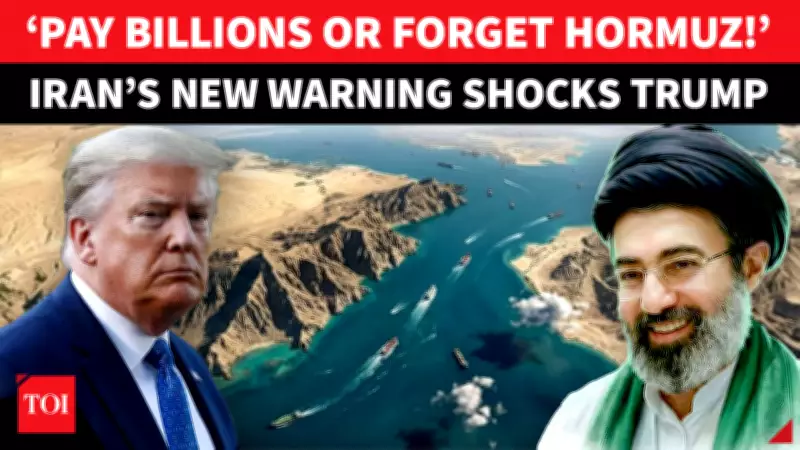
Iran has firmly rejected a U.S.-backed proposal to reopen the strategic Strait of Hormuz unless Washington agrees to compensate Tehran for damage inflicted during the recent conflict. Senior Iranian official Mohsen Rezaei declared that Tehran seeks “tangible benefits,” not symbolic concessions, as tensions with the Trump administration continue to simmer.
Iran’s Stance on Compensation
Rezaei, a prominent figure in Iran’s political and military establishment, emphasized that any deal must include concrete reparations. “No cash, no deal,” he stated, drawing a clear red line. Iran is also reviewing messages delivered through Pakistani mediation, but analysts warn that Tehran is unlikely to accept Washington’s latest proposal, which they describe as demanding total capitulation.
Regional Pressure and Mediation
Meanwhile, Gulf states including Saudi Arabia and Qatar are reportedly pressuring both sides to avoid another major regional escalation. The United States has sought to secure the reopening of the Strait of Hormuz, a critical chokepoint for global oil shipments, but Iran’s demand for compensation complicates diplomatic efforts.

Tehran insists that any agreement must address the economic and military damage it suffered. Rezaei’s comments signal that Iran will not yield to pressure without receiving substantial benefits. The standoff continues as regional and international actors watch closely, with the potential for further conflict looming.






