

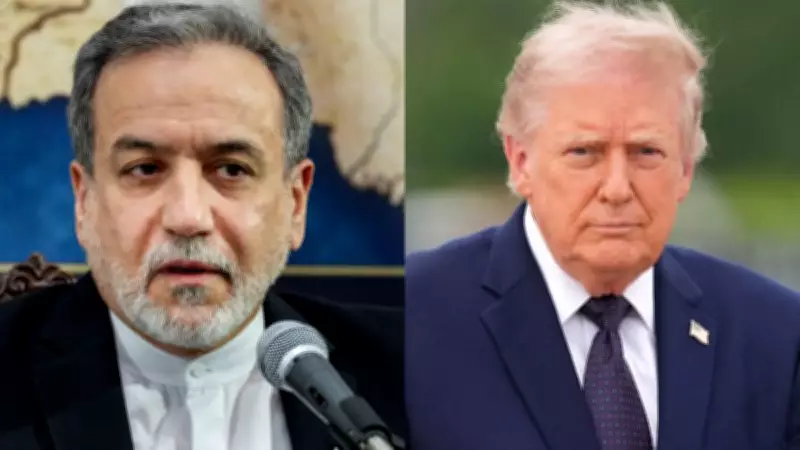
In a dramatic turn of events, Iran has announced the suspension of ceasefire talks, casting a shadow over diplomatic efforts to de-escalate tensions in the Middle East. However, former U.S. President Donald Trump has contradicted this, asserting that negotiations are still ongoing. The conflicting statements have left the international community puzzled about the true state of affairs.
Iran's Decision to Halt Talks
Iranian officials declared on Tuesday that they are putting a halt to all ceasefire negotiations, citing a lack of progress and unmet demands. The decision comes after weeks of indirect talks mediated by regional powers. According to sources, Tehran feels that its core concerns have not been addressed, leading to the suspension.
The move has raised fears of a renewed escalation in the region, where proxy conflicts and direct confrontations have already caused significant instability. Iran's stance appears to be a strategic maneuver to pressure other parties into making concessions.

Trump's Counterclaim
Contrary to Iran's announcement, Donald Trump, who has been involved in back-channel communications, stated that negotiations are very much alive. In a brief statement, Trump said, "Talks are continuing at various levels. We are making progress, and a deal is possible." He did not provide specifics but emphasized that his team remains engaged.
This discrepancy highlights the complex and fragmented nature of the diplomatic landscape, where multiple actors may be pursuing different agendas. Trump's involvement, though unofficial, adds another layer of unpredictability.
Implications for the Middle East
The halt in talks could have severe consequences for the region. Analysts warn that without a ceasefire, the risk of military confrontation increases. Countries like Saudi Arabia and Israel have already expressed concern, while the United Nations has called for restraint.
On the other hand, if Trump's assertion proves correct, it might indicate that informal channels are more effective than formal ones. However, the lack of transparency raises questions about the legitimacy of any potential agreement.
What Fate Awaits the Middle East?
The coming days will be crucial. Diplomatic efforts may either collapse or pivot to new formats. The international community is watching closely, hoping that a peaceful resolution can still be achieved. For now, the fate of the Middle East hangs in the balance, caught between conflicting narratives and high-stakes positioning.






