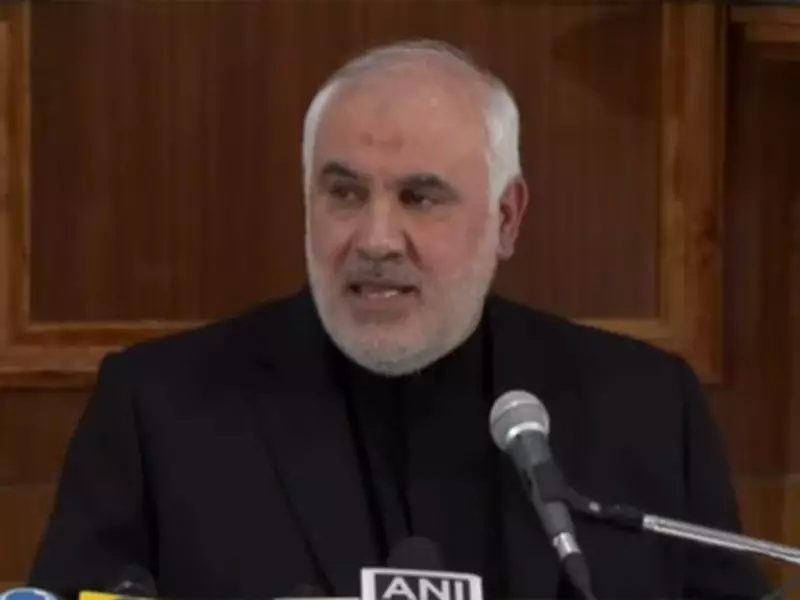
Iran's ambassador to India has announced that under new conditions, navigation services, security, and other facilities for ships passing through the Strait of Hormuz will no longer be provided free of charge. The statement marks a significant shift in policy regarding one of the world's most critical maritime chokepoints.
New Policy for Strait of Hormuz
The Strait of Hormuz, connecting the Persian Gulf with the Gulf of Oman, is a vital waterway for global oil shipments. Approximately 20% of the world's petroleum passes through this narrow strait. Iran's decision to charge for navigation services could have far-reaching implications for international shipping and energy markets.
Iran's ambassador emphasized that the provision of security and navigational aids in the strait involves substantial costs, and it is only fair that those who benefit from these services contribute to their maintenance. The new policy is expected to be implemented in the near future, though specific details regarding fees and implementation timelines have yet to be disclosed.

Implications for Global Shipping
The announcement has raised concerns among shipping companies and oil-importing nations. The Strait of Hormuz is already a region of geopolitical tension, with frequent incidents involving Iranian forces and international vessels. The introduction of fees could lead to increased transit costs, which may ultimately be passed on to consumers.
Industry experts suggest that the move could also prompt alternative routing strategies, although no viable alternative to the Strait of Hormuz exists for many regional exporters. The strait is narrow and deep, making it the only practical route for large tankers carrying crude oil from the Middle East.
Regional and International Reactions
Reactions from other Gulf states and international bodies have been cautious. The United States, which maintains a naval presence in the region, has not yet issued an official response. However, analysts note that any disruption to free navigation in the strait could be met with diplomatic or military pushback.
Iran's decision is seen as part of a broader strategy to leverage its geographic position for economic and political gain. The country has previously threatened to block the strait in response to sanctions or other pressures. This latest move, however, stops short of a blockade but introduces a financial barrier that could reshape maritime commerce in the region.
Conclusion
As the situation develops, stakeholders in global trade and energy security will be watching closely. The implementation of these new conditions will test the resilience of international shipping and the diplomatic calculus of nations dependent on Persian Gulf oil. Iran's ambassador made it clear that the era of free passage through the Strait of Hormuz is coming to an end, signaling a new chapter in the geopolitics of this strategic waterway.