

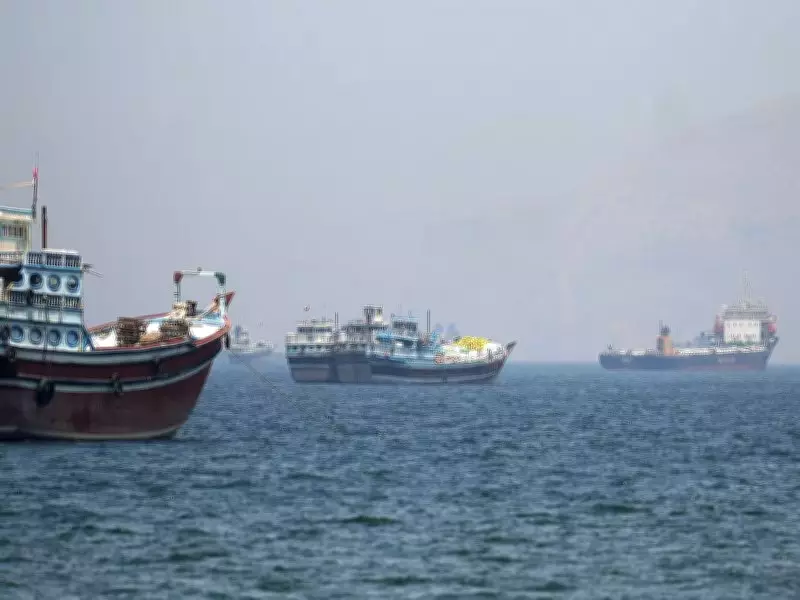
Iran has announced new sovereign transit rules in the strategically vital Strait of Hormuz, mandating that all vessels must obtain prior permits before passing through the waterway. This move is expected to heighten tensions in the region, as the strait is a critical chokepoint for global oil shipments.
New Regulations and Requirements
Under the newly enforced rules, any vessel intending to navigate the Strait of Hormuz must secure authorization from Iranian authorities well in advance. The regulation applies to both commercial and military ships, including those of foreign nations. Iran has stated that this measure is aimed at enhancing security and asserting its sovereign rights over its territorial waters.
Implications for Global Trade
The Strait of Hormuz handles about one-fifth of the world's oil consumption, making it a crucial artery for global energy supplies. The new permit requirement could disrupt shipping schedules and increase operational costs for tanker operators. Analysts warn that delays or denials of passage could lead to volatility in oil markets and supply chain disruptions.

Regional Reactions
The announcement has drawn sharp criticism from several countries, including the United States and Gulf Arab states, who view the move as a provocative escalation. The US Navy's Fifth Fleet, based in Bahrain, has indicated that it will continue to operate in the region under international law, which guarantees freedom of navigation. Meanwhile, Iran has defended its action, asserting that it is within its legal rights under the United Nations Convention on the Law of the Sea.
Historical Context
Tensions in the Strait of Hormuz have been a recurring flashpoint between Iran and Western nations. Past incidents include the seizure of oil tankers by Iranian forces and confrontations between Iranian speedboats and US naval vessels. The new permit rules represent a significant tightening of Iran's control over the waterway.
Potential Consequences
If strictly enforced, the regulation could lead to an increase in maritime incidents and a potential confrontation between Iranian forces and international naval vessels. The international community is closely monitoring the situation, with calls for diplomatic engagement to prevent any escalation. The impact on global energy markets remains uncertain, but experts caution that any disruption to the flow of oil through the strait would have immediate economic repercussions worldwide.






