

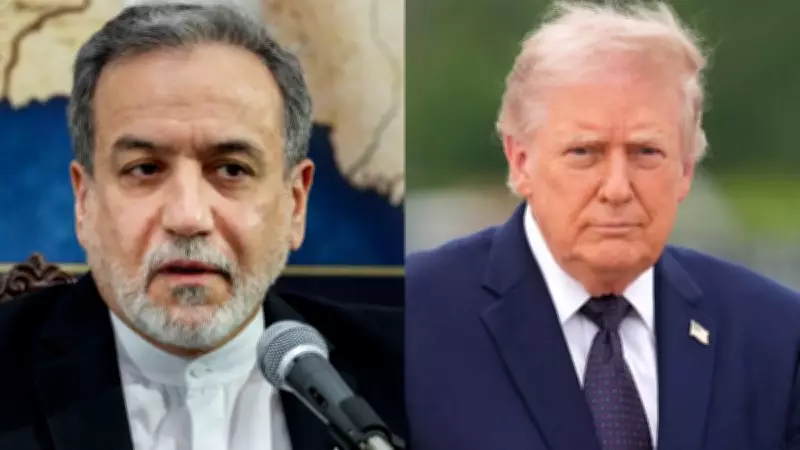
Iran has called for an end to speculation regarding the ongoing nuclear talks with the United States, emphasizing that no definitive conclusions should be drawn until a final agreement is reached. The statement comes amid heightened discussions over the revival of the 2015 Joint Comprehensive Plan of Action (JCPOA), with both sides locked in negotiations over key sticking points.
Iran's Stance on Negotiations
Iranian officials have reiterated that the talks are progressing, but cautioned against premature judgments. "There is no room for speculation until the final outcome," a spokesperson for the Iranian Foreign Ministry stated. The message underscores Tehran's desire to avoid unnecessary pressure or misinterpretation as talks continue behind closed doors.
The Bone of Contention
The primary obstacle in the negotiations revolves around Iran's nuclear enrichment program and the lifting of US sanctions. Tehran demands a complete removal of all sanctions imposed by Washington since 2018, when the US unilaterally withdrew from the deal. On the other hand, the US insists on addressing Iran's ballistic missile program and regional activities, which Tehran considers non-negotiable.

Experts suggest that the core issue is the level of uranium enrichment Iran is permitted to maintain. Under the original JCPOA, Iran was limited to 3.67% enrichment, but after the US withdrawal, Tehran has exceeded that threshold, now enriching up to 60%. The US seeks to cap enrichment at lower levels, while Iran wants recognition of its right to enrich for peaceful purposes.
Sanctions Relief and Verification
Another critical point is the verification process. Iran wants guarantees that the US will not reimpose sanctions arbitrarily, as happened in 2018. The US, meanwhile, demands robust inspections by the International Atomic Energy Agency (IAEA) to ensure Iran's compliance. The IAEA has previously reported undeclared nuclear material at several Iranian sites, adding to the complexity.
Negotiators from both sides have held multiple rounds of talks in Vienna, with indirect exchanges facilitated by European diplomats. Despite progress on technical issues, political decisions remain pending. The US has hinted at a willingness to lift some sanctions, but not all, while Iran insists on a comprehensive removal.
Regional and Global Implications
The outcome of the talks carries significant implications for global energy markets and Middle East stability. A successful deal could lead to increased Iranian oil exports, easing supply concerns. Conversely, failure could escalate tensions, potentially leading to further enrichment and regional conflicts. Israel and Gulf Arab states have voiced opposition to a deal that does not address Iran's missile program.
Iran has also warned that time is running out, as its nuclear advancements continue. The Iranian parliament has passed a law requiring the government to increase enrichment if sanctions are not lifted by a certain date, adding a sense of urgency to the negotiations.
What Lies Ahead
Both sides have expressed cautious optimism but acknowledge that significant gaps remain. The upcoming round of talks is expected to focus on narrowing differences over sanctions and enrichment. Iran's call for no speculation reflects a strategy to maintain leverage and avoid public pressure that could derail the process.
As the world watches, the nuclear talks continue to be a delicate balancing act between national interests and international diplomacy. The final outcome, when it comes, will shape the future of non-proliferation efforts and US-Iran relations for years to come.






