

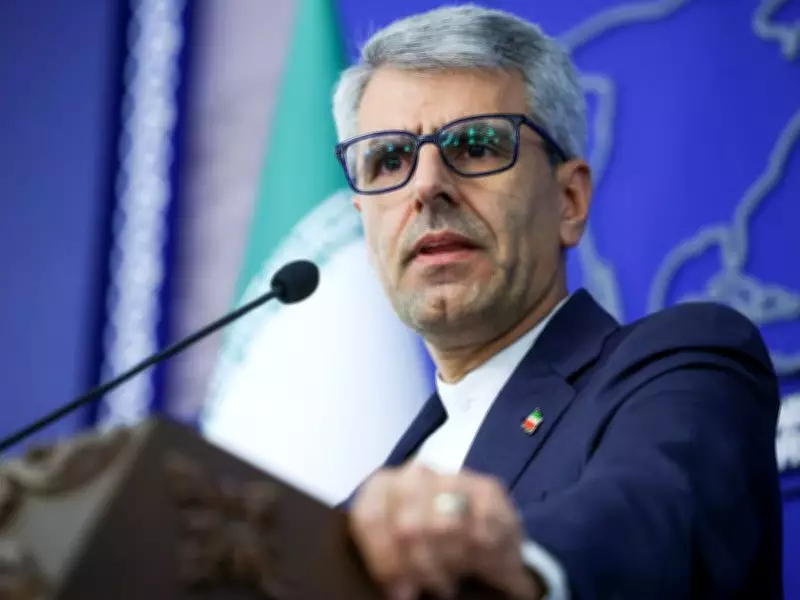
Iran's Foreign Ministry spokesperson has offered a nuanced assessment of the prospects for a truce with the United States, characterizing the situation as 'very far, very close.' The statement reflects the complex and fluctuating dynamics between the two nations, which have been locked in a protracted standoff over issues ranging from nuclear activities to regional influence.
Background of Tensions
The relationship between Iran and the US has been fraught with hostility for decades, but tensions have escalated significantly in recent years. The US withdrawal from the Joint Comprehensive Plan of Action (JCPOA) in 2018 and the subsequent reimposition of sanctions have deepened the rift. Iran, in turn, has accelerated its nuclear program, enriching uranium to levels close to weapons-grade.
Current Diplomatic Efforts
Despite the adversarial posture, there have been intermittent signs of diplomatic movement. Indirect talks mediated by other nations have taken place, and both sides have expressed conditional willingness to re-engage. However, the path to a formal truce remains fraught with obstacles, including mutual distrust and divergent demands.

The spokesperson's remark, 'very far, very close,' captures the paradox of the current state of affairs. On one hand, the two countries are ideologically and strategically opposed, making a comprehensive agreement seem distant. On the other, the urgency of preventing a full-blown conflict and the potential benefits of de-escalation bring a resolution within reach.
Strategic Implications
Analysts suggest that a truce could have far-reaching implications for the Middle East. A reduction in US-Iran tensions might lead to greater stability in Iraq, Syria, and Yemen, where both nations support opposing factions. Conversely, failure to reach an understanding could trigger a new wave of hostilities, with potential consequences for global oil markets and security.
The spokesperson emphasized that Iran remains open to genuine engagement but will not capitulate to pressure. 'We are prepared for any scenario, but we prefer diplomacy,' the spokesperson stated. The ball, it appears, is now in Washington's court.
Regional Reactions
Regional actors are closely watching the developments. Gulf states, particularly Saudi Arabia and the UAE, have expressed cautious optimism about a potential US-Iran detente, as it could reduce the risk of proxy conflicts. Israel, however, has voiced strong opposition to any deal that does not address Iran's missile program and regional activities.
Meanwhile, European powers have urged both sides to return to the negotiating table. France, Germany, and the UK have been actively involved in mediation efforts, seeking to salvage the JCPOA framework. However, their influence has waned since the US withdrawal.
Outlook
The immediate prospects for a truce remain uncertain. The US has signaled a willingness to talk but insists on strict compliance with nuclear limits. Iran demands a lifting of sanctions and guarantees against future withdrawals. The gap between these positions is significant, but not insurmountable.
As the spokesperson noted, the situation is both 'very far' and 'very close.' The coming weeks will be critical in determining whether the two nations can bridge the divide or slide further into confrontation. For now, the world watches with bated breath.






