

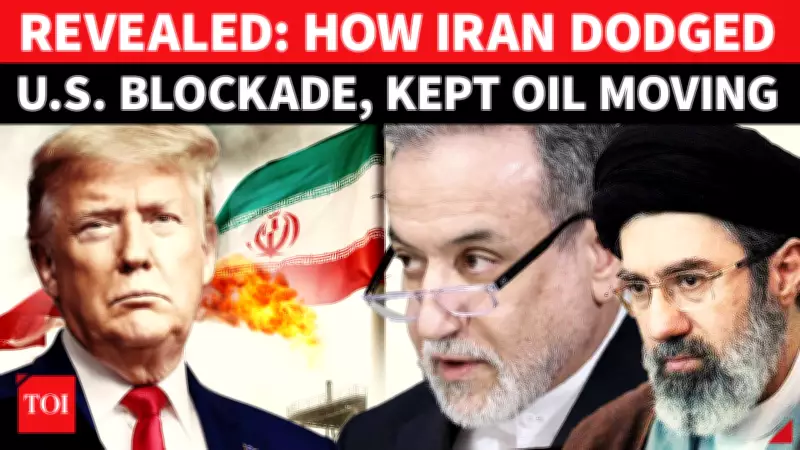
As tensions continue around the Strait of Hormuz, Iran appears to be expanding alternative routes to keep its energy exports moving. Reports indicate Tehran has significantly increased rail shipments of oil and liquefied petroleum gas to China and Pakistan, reducing reliance on maritime routes facing growing security concerns.
New Rail Corridor Reduces Transit Time
The rail corridor linking Xi'an and Tehran now reportedly operates every three to four days, with transit times reduced to nearly two weeks. Each train is said to carry tens of thousands of barrels of energy products. This development comes amid continued U.S.-Iran tensions and heightened military activity around one of the world's most important energy chokepoints.
Strategic Implications
The move is being closely watched as Iran seeks to maintain exports despite pressure on regional shipping routes. By utilizing overland rail connections, Iran can bypass the U.S. naval blockade in the Strait of Hormuz, ensuring a steady flow of oil and gas to key allies in Asia. This strategy not only undermines U.S. sanctions but also strengthens economic ties between Iran, China, and Pakistan.

Analysts suggest that this rail route could become a permanent alternative, especially if maritime security continues to deteriorate. The corridor's efficiency and reliability may encourage further investment in rail infrastructure, potentially reshaping global energy trade routes.






