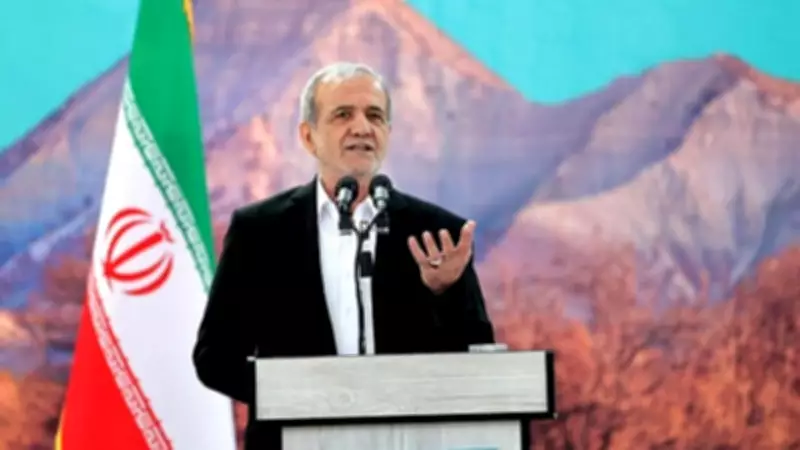
Iran's president has issued an order to reopen international internet access, marking a significant shift in the country's digital policy. The move comes after authorities imposed a sweeping internet blackout on January 8 in response to nationwide anti-government protests. The restrictions, which severely limited connectivity, have been gradually eased since February, with connections slowly returning to normal.
Background of the Internet Blackout
The initial shutdown was implemented as a measure to curb the spread of information and coordination among protesters. The demonstrations, which erupted across Iran, were fueled by widespread discontent over economic hardships and political repression. The internet blackout drew sharp criticism from human rights groups and the international community, who condemned it as a violation of freedom of expression.
Gradual Restoration of Services
Throughout February and March, Iranian authorities began restoring internet access in phases. However, full international connectivity remained restricted until the president's recent directive. The order is expected to restore access to global platforms and services, which had been blocked or heavily filtered during the blackout.

The decision signals a potential easing of tensions within the country, though the duration of the restored access remains uncertain. Analysts suggest that the move may be part of broader efforts to stabilize the political landscape and address international pressure.
Impact on Citizens and Businesses
The prolonged internet shutdown had a severe impact on daily life and economic activities. Businesses reliant on online transactions faced significant disruptions, while citizens struggled to access essential services, communication tools, and news sources. The restoration of international internet is expected to alleviate these challenges, though concerns about future restrictions persist.
Iranian officials have not publicly detailed the conditions under which the internet will remain open. The president's order is seen as a step toward normalcy, but the government retains the technical capability to reimpose restrictions if deemed necessary.
The international community has welcomed the development, with many urging Iran to ensure sustained and unfettered internet access. Human rights organizations continue to monitor the situation closely, calling for an end to all forms of digital censorship.