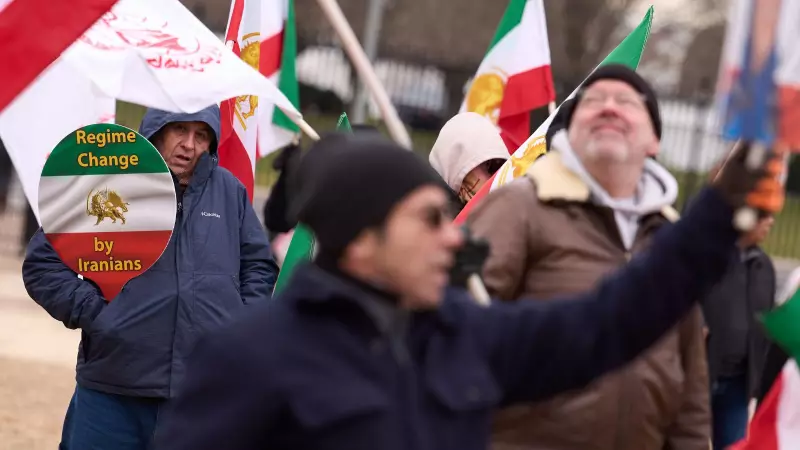
Protests in Iran over a severe economic crisis and skyrocketing living costs have intensified, entering a fifth day with reports of violent clashes claiming at least seven lives. The unrest, which has spread across several cities, has prompted authorities to shut down schools and universities nationwide in what is seen as a move to curb the demonstrations.
Widespread Unrest and Rising Death Toll
The situation in Iran remains volatile as citizens continue to take to the streets. According to the Associated Press, at least seven people have been killed in confrontations between demonstrators and security forces. Social media footage from Thursday showed vehicles set ablaze during running battles in the streets.
The protests, triggered by a sharp collapse in the national currency, the rial, against the US dollar, have seen demonstrators chant slogans against the country's Supreme Leader, Ayatollah Ali Khamenei. Some voices within the crowds have even called for the restoration of the monarchy, highlighting deep-seated frustrations.

Verified videos from BBC Persian confirm that protests have erupted in multiple locations, including Lordegan, the capital Tehran, and Marvdasht in the southern Fars province.
Nationwide Shutdowns and Official Responses
In a significant move, Iranian authorities declared a bank holiday on Wednesday and shut down schools, universities, and public institutions across the country. While officials cited energy conservation needs due to cold weather, many Iranians and observers interpreted the closures as a security measure to prevent further gatherings and suppress the protest movement.
The government's response has been mixed. President Masoud Pezeshkian stated that his administration is prepared to listen to what he termed the "legitimate demands" of the protesters. However, this conciliatory tone was contrasted by a warning from Prosecutor General Mohammad Movahedi-Azad, who said any attempts to undermine stability would be met with a "decisive response."
Roots of the Current Crisis
The current wave of demonstrations began in Tehran, initially led by shopkeepers angered by the latest steep devaluation of the rial. By Tuesday, university students had joined the movement, fueling its rapid spread to other urban centers.
While this is described as the most widespread unrest since the 2022 protests triggered by the death of Mahsa Amini in police custody, analysts note it has not yet reached the same scale. The core driver remains economic, focusing on the crumbling economy, inflation, and the severe decline in purchasing power affecting ordinary Iranians.
The protests underscore the ongoing challenges facing the Iranian leadership as it grapples with international sanctions, internal economic mismanagement, and a population increasingly willing to voice its discontent publicly, despite the risks.