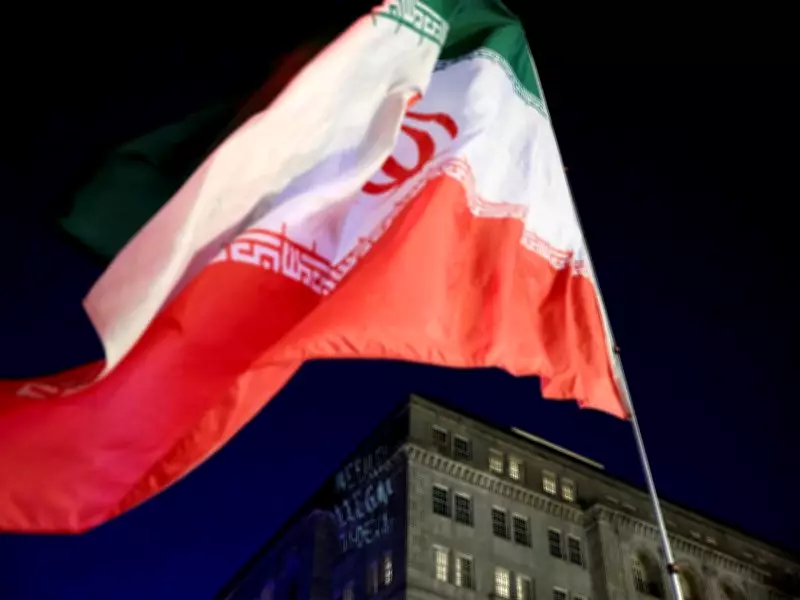
Iran's government spokesperson announced on Tuesday that President Ebrahim Raisi has issued a decree to reopen international internet access across the country. The decision comes after months of severe restrictions that were imposed during widespread protests last year.
Background of Internet Restrictions
The Iranian government had significantly curtailed internet access since September 2022, when protests erupted following the death of 22-year-old Mahsa Amini in police custody. The authorities aimed to curb the spread of information and coordination among demonstrators. During this period, popular platforms like Instagram, WhatsApp, and YouTube were blocked, and internet speed was throttled.
Presidential Decree and Implementation
Government spokesperson Ali Bahadori Jahromi stated that the president's decree orders the Ministry of Communications and Information Technology to lift all restrictions on international internet access. The move is intended to facilitate the activities of businesses, students, and ordinary citizens who have been adversely affected by the limitations.

According to Jahromi, the decree emphasizes the need to ensure a secure and stable internet environment while respecting national security concerns. The restoration will be implemented gradually, with priority given to essential services and sectors.
Reactions and Implications
The announcement has been met with cautious optimism by Iranian citizens and international observers. Many hope that the reopening will ease economic hardships and improve access to information. However, some activists remain skeptical, noting that previous promises of internet freedom have not been fully realized.
Iran has a history of internet censorship, particularly during periods of unrest. The government often justifies restrictions by citing the need to prevent cyber attacks and maintain public order. The latest decree may signal a shift in policy, but it remains to be seen how consistently it will be implemented.
Impact on Businesses and Daily Life
The prolonged internet blackout has severely impacted Iran's economy, especially startups and e-commerce platforms. Many businesses relied on social media and messaging apps for marketing and customer communication. Students also faced challenges in accessing online educational resources.
With the reopening, there is anticipation of a revival in digital entrepreneurship and smoother communication with international partners. Citizens are expected to regain access to global news and social media platforms, although some restrictions may persist.
International Perspective
International human rights organizations have repeatedly condemned Iran's internet shutdowns as a violation of freedom of expression. The United Nations and other bodies have called for the restoration of full internet access. The latest development is seen as a positive step, but continued monitoring is necessary.
The Iranian government's decision may also be influenced by upcoming elections and the need to address public discontent. Economic pressures and the desire to improve diplomatic relations could be additional factors.