Iran and Saudi Arabia Hold Secret Talks Amid US-Iran Tensions
A high-stakes diplomatic push is unfolding in the Middle East as Iran and Saudi Arabia hold urgent talks amid fears of a wider regional conflict. Iranian Foreign Minister Seyed Abbas Araghchi and Saudi Foreign Minister Faisal bin Farhan Al Saud discussed the rapidly deteriorating security situation and stressed the need for stronger regional coordination and diplomacy to prevent further escalation.
The development comes as US President Donald Trump claimed 'great progress' in negotiations with Iran following weeks of military escalation, naval tensions and war fears across the Gulf. The talks took place shortly after Araghchi's visit to China, which previously brokered the landmark Iran-Saudi reconciliation agreement in 2023.
Secret Alliance Raises Eyebrows
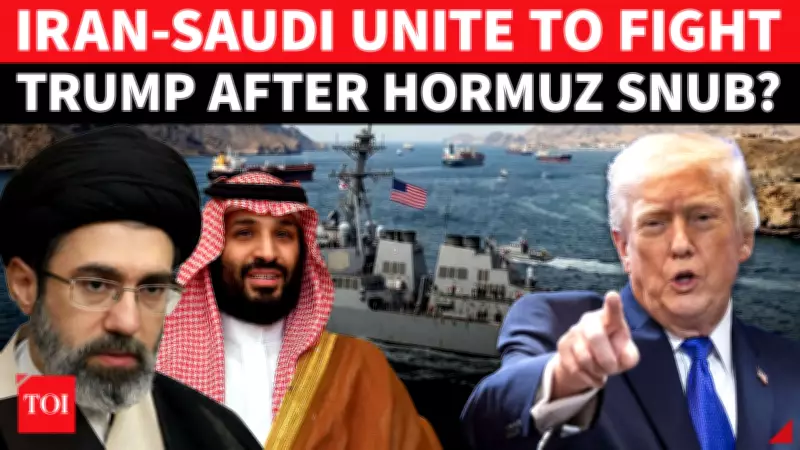
The secret talks between Iran and Saudi Arabia have shocked many observers, especially given the historical rivalry between the two regional powers. The alliance could reshape the Middle East's geopolitical landscape, potentially reducing US influence in the region. Saudi Arabia's decision to hold talks with Iran comes after reports that Crown Prince Mohammed bin Salman opposed a US military operation in the Strait of Hormuz.

Regional Coordination Key
Both foreign ministers emphasized the importance of regional coordination to prevent further escalation. The talks covered a range of issues, including the situation in Yemen, the nuclear deal with Iran, and the ongoing conflict in Gaza. The two sides agreed to continue dialogue and explore ways to enhance security cooperation.
Analysts say the rapprochement between Iran and Saudi Arabia could have far-reaching implications for the Middle East. It could lead to a reduction in proxy conflicts in countries like Yemen, Syria, and Iraq, and pave the way for a more stable regional order.
Trump's Reaction
President Trump has not directly commented on the Iran-Saudi talks, but his administration has expressed concern over any secret dealings between the two countries. The US has long relied on Saudi Arabia as a key ally in the region, and any shift in Riyadh's foreign policy could complicate American efforts to isolate Iran.
Despite the tensions, Trump claimed 'great progress' in negotiations with Iran, though details of the talks remain unclear. The US has been engaged in a military buildup in the Gulf, with warships and aircraft deployed to counter what it sees as Iranian threats.
Conclusion
The secret alliance between Iran and Saudi Arabia marks a significant shift in Middle East politics. As the two countries continue their talks, the world watches to see if this new diplomatic push can prevent a wider war and bring stability to the region.