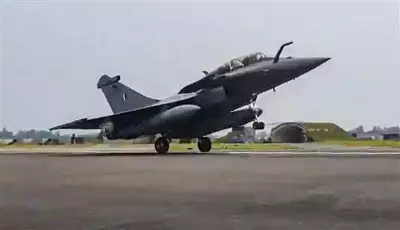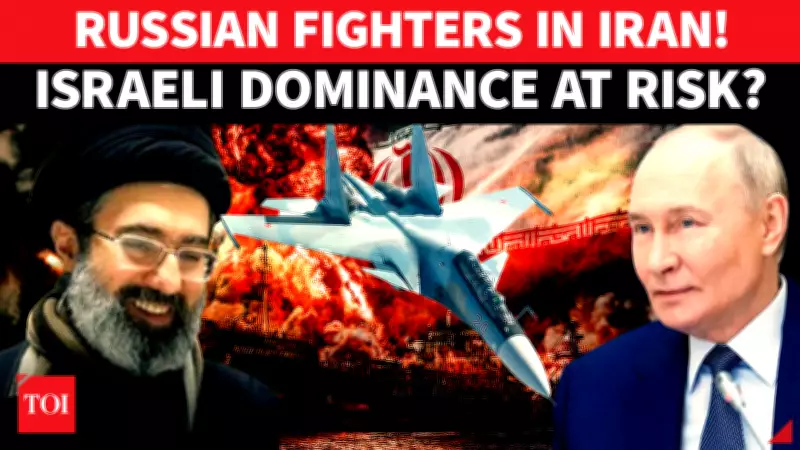
Tehran is completely rewriting the balance of air power across the Gulf. By sealing an accelerated deal with Moscow for a fleet of second-hand, low-hour Sukhoi Su-30SM2 heavy multi-role fighters, the Islamic Republic is bypassing massive factory backlogs to achieve instant frontline superiority. Dropping the antiquated Vietnam-era airframes, these twin-seat modern fighters pack severe electronic warfare counters to test Western-designed regional defenses.
Strategic Implications for the Region
The acquisition of the Su-30SM2 marks a significant shift in the Middle Eastern military balance. Iran's previous fleet consisted largely of aging aircraft from the 1960s and 1970s, including F-14 Tomcats and MiG-29s, which suffered from maintenance issues and sanctions. The new Russian jets provide advanced capabilities in air-to-air combat, ground attack, and electronic warfare.
Technical Specifications of the Su-30SM2
The Su-30SM2 is a heavily upgraded variant of the Su-30 family, featuring improved radar, engines, and avionics. It is equipped with the Irbis-E radar system, capable of detecting targets up to 400 kilometers away, and can carry a wide range of precision-guided munitions. The aircraft also includes advanced electronic countermeasures to jam enemy radar and communications.

Impact on Regional Dynamics
The deal comes amid heightened tensions between Iran and its Gulf neighbors, as well as ongoing conflicts in Yemen and Syria. The Su-30SM2s could challenge the air superiority of Saudi Arabia and the United Arab Emirates, which operate F-15s and F-16s. Additionally, the aircraft may be used to protect Iran's nuclear facilities and critical infrastructure.
Reactions from World Powers
The United States has expressed concern over the deal, stating that it could destabilize the region further. Israel has also warned that it will take necessary measures to maintain its qualitative military edge. Russia, meanwhile, has defended the sale as a legitimate defense cooperation between sovereign states.
Iranian officials have emphasized that the deal is purely defensive and aimed at modernizing its air force. The first deliveries are expected within months, with pilot training already underway in Russia. The acquisition is part of a broader strategy to reduce dependence on foreign suppliers and enhance indigenous defense production.