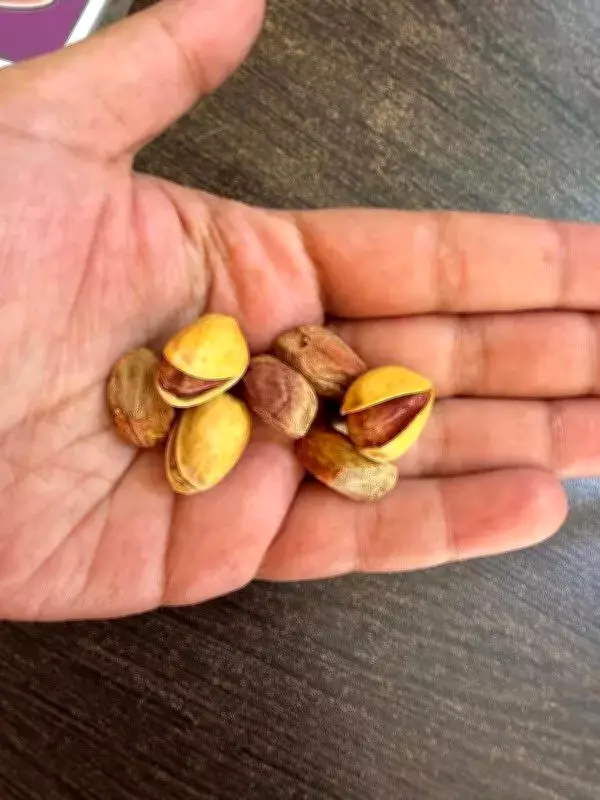
Pune: Pistachios imported from Iran, a key component of India's premium dry fruit market, have been in short supply since late February. Traders across the city report that prices have risen by 20% to 50% as stocks dwindle, with no clarity on when fresh consignments will arrive.
Price Surge and Supply Chain Disruption
Iranian pistachios are now retailing between Rs 1,200 and Rs 1,600 per kg, depending on quality and roasting. The disruption has been triggered by geopolitical tensions in West Asia, which have slowed trade and altered shipping routes from Iran. Sumit Agarwal, a dry fruit and nuts wholesaler, said, "Earlier, exports were routed through Dubai and distributed globally. Now shipments are being redirected via Turkey, which has significantly increased freight costs."
Impact on Consumers and Businesses
Iranian pistachios cater to a specific segment and are not easily substituted. In Pune, they are primarily sourced by Irani families, niche consumers, and select restaurants that rely on imports for authenticity. Many depend on relatives traveling from Iran to bring small quantities for personal use.

Yusuf Mirdehghan, owner of Husseny Bakery, said, "My uncle traveled from Iran last November and brought pistachios and walnuts. We are now reserving them for personal use. We no longer use pistachios in the bakery, though earlier each pista biscuit was topped with a whole nut. For daily consumption, we purchase whatever American varieties are available locally. However, whenever family or friends travel from Iran, they bring pistachios for us. Given the uncertainty of fresh supply, we are using our current stock very sparingly."
Yasmin Irani, a homemaker from Camp, highlighted the distinct quality of Iranian produce. "When guests visit from Iran, they bring dry fruits as gifts. These are not used in cooking but consumed as they are. The pistachios are noticeably larger and have a deeper flavor than other varieties," she said.
Restaurants Face Challenges
Restaurants serving Irani cuisine are also struggling to source authentic Iranian pistachios. Mehdi Niroomand, owner of Shisha Cafe, said, "We use small quantities of pistachios, almonds, and saffron in our dishes, but with imports from Iran disrupted, we have had to use whatever is available in the market. Even in Iran, over the last few weeks, the prices of pistachios have risen so high that they are out of reach for the middle class." He added that sourcing other Iranian ingredients has also become difficult. "Zereshk (Iranian tart, red dried barberries), used in berry pulao, has become extremely difficult to source. The last batch I received through a contact from Dubai was nearly 50% more expensive, and I have now run out."
Authenticity Concerns
Some consumers are skeptical about pistachios sold locally as Iranian varieties, noting they may actually be American imports. Pistachio cultivation, originally centered in Iran, was introduced to the United States in the 1930s, particularly in California, which is now a major exporter. While American pistachios are more uniform and widely available, Iranian varieties such as Akbari and Ahmad Aghaei are valued for their larger size and richer flavor.
With Iranian supplies constrained and alternatives unable to fully replace them, Pune's niche consumers and businesses reliant on these imports face rising costs, limited availability, and continued uncertainty.