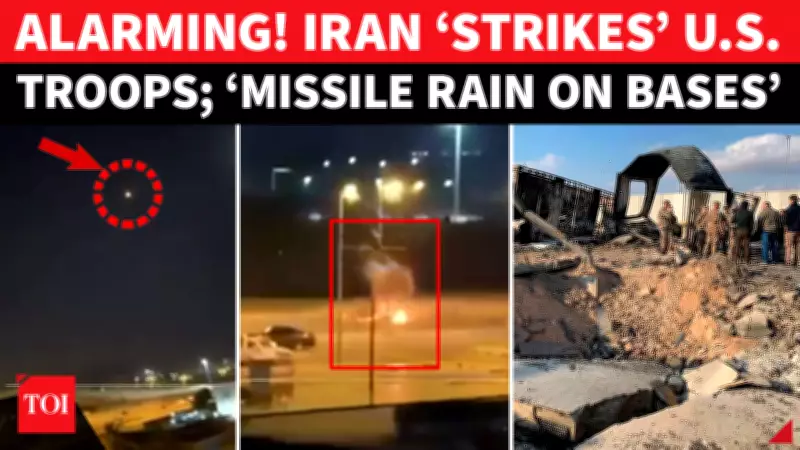
Tensions in the Persian Gulf have surged after Iran's Islamic Revolutionary Guard Corps (IRGC) claimed it launched retaliatory strikes against U.S. military assets in the region. The move came after U.S. Central Command said it carried out operations targeting an Iranian military ground control station on Qeshm Island and enforced blockade measures against a vessel allegedly linked to Iran near the Strait of Hormuz.
Iran Claims Retaliation, US Denies Success
According to reports, Iran claimed to have targeted American positions, but U.S. officials rejected the assertion, stating that all Iranian missile and drone attacks failed to hit their intended targets. CENTCOM said U.S. air defenses intercepted multiple drones and ensured no American personnel or assets were harmed.
Diplomatic Efforts Under Strain
The escalation comes amid reports that Tehran has suspended negotiations with Washington through Pakistani mediators, while violence continues to intensify in Lebanon following deadly Israeli strikes. With diplomatic efforts under strain and military activity increasing across the region, fears are growing that the latest confrontation could trigger a broader Middle East crisis.

U.S. Central Command confirmed that its forces conducted operations against Iranian military infrastructure on Qeshm Island, which they described as a ground control station used for drone operations. Additionally, the U.S. Navy enforced blockade measures near the Strait of Hormuz, intercepting a vessel suspected of carrying weapons or supplies for Iranian-backed groups.
The IRGC, in a statement, said it had targeted American military bases in the Gulf with missiles and drones in retaliation for what it called “aggressive actions” by the United States. However, U.S. officials dismissed these claims, emphasizing that all incoming threats were neutralized by advanced air defense systems, including Patriot and THAAD batteries deployed in the region.
Meanwhile, diplomatic channels have reportedly been disrupted. Tehran has allegedly paused negotiations mediated by Pakistan, which were aimed at de-escalating tensions and resolving disputes over Iran's nuclear program and regional activities. The breakdown in talks has heightened concerns about a potential military confrontation.
In Lebanon, the situation remains volatile after Israeli airstrikes killed several people, including civilians. Hezbollah, an Iranian-backed group, has threatened retaliation, further complicating the regional security landscape. The combination of military strikes, failed diplomacy, and proxy conflicts has led analysts to warn of an uncontrollable escalation that could draw in multiple nations.
The United Nations has called for restraint from all parties, urging a return to negotiations. However, with both Washington and Tehran accusing each other of aggression, the path to de-escalation appears increasingly narrow.