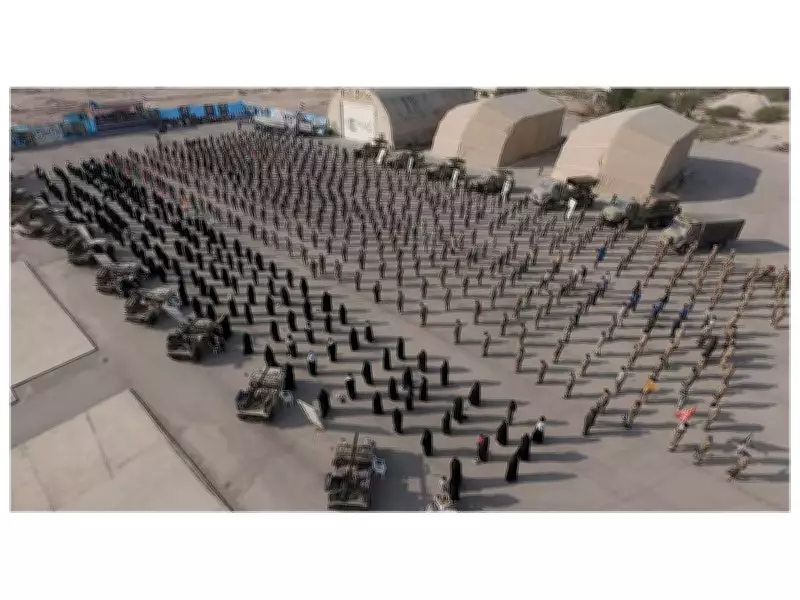
Israel has conveyed its expectation to India regarding the designation of Iran's Islamic Revolutionary Guard Corps (IRGC) as a terrorist organization, according to diplomatic sources. The request was made during recent high-level engagements between the two countries, highlighting the growing convergence of their security concerns.
Background of the Request
The IRGC is a key branch of Iran's military, responsible for safeguarding the Islamic Republic's political system. It has been involved in various regional conflicts, including in Syria, Iraq, and Yemen, and has been accused of supporting militant groups such as Hezbollah and Hamas. Israel has long advocated for the IRGC to be classified as a terrorist entity, citing its direct involvement in attacks against Israeli and Jewish targets worldwide.
India's Position
India has historically maintained a balanced relationship with Iran, rooted in energy cooperation and strategic ties. However, recent developments, including the normalization of relations between Israel and several Arab nations, have shifted the geopolitical landscape. India's growing partnership with Israel in defense, technology, and intelligence sharing has also influenced its stance on regional security issues.

While India has not yet formally designated the IRGC as a terrorist organization, it has condemned Iran's ballistic missile program and its support for non-state actors. The Indian government is reportedly evaluating the implications of such a move, considering its ties with Iran and the potential impact on its energy security and regional diplomacy.
Regional and Global Implications
Designating the IRGC as a terrorist organization would align India with the United States, which took the step in 2019, and several European countries. It could also strengthen India's position in the Quad and other multilateral forums where counterterrorism is a priority. However, it risks straining relations with Iran, which is a key partner in the Chabahar port project and a source of crude oil.
Israel's push comes amid heightened tensions in the Middle East, including Iran's nuclear program and its proxies' activities. The move is seen as part of a broader effort to isolate Iran and curb its influence in the region.
Next Steps
Diplomatic sources indicate that India is likely to take a calibrated approach, balancing its strategic partnership with Israel and its historical ties with Iran. The decision is expected to be made after consultations with relevant stakeholders, including the Ministry of External Affairs and security agencies.
This development underscores the evolving dynamics in South Asia and the Middle East, where counterterrorism cooperation is becoming a central pillar of bilateral relations.