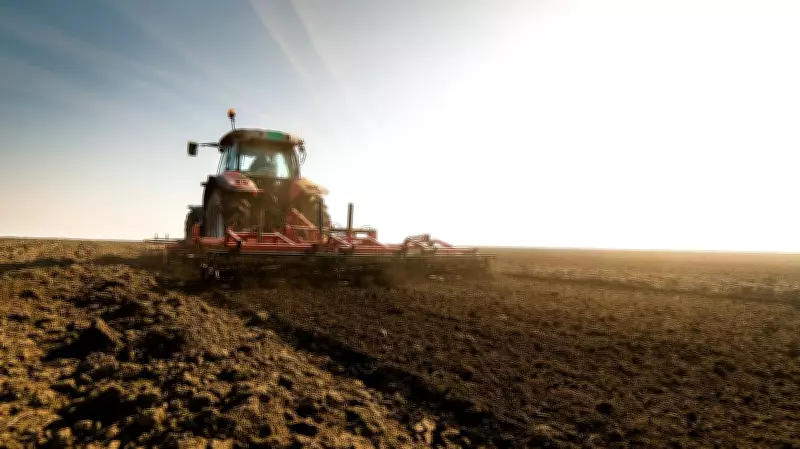
A pioneering project in Maharashtra's Jalgaon district is turning agricultural waste into a source of clean energy and biochar, offering a sustainable solution for farmers and the environment. The initiative, which began operations recently, aims to address the twin challenges of farm waste management and energy generation.
Transforming Residue into Resources
The project collects crop residues such as cotton stalks, soybean husks, and sugarcane trash from local farms. Instead of burning these residues—a common practice that causes air pollution—the facility processes them through a pyrolysis unit. This technology heats the biomass in a low-oxygen environment, producing synthesis gas (syngas) for electricity generation and biochar as a co-product.
Biochar is a charcoal-like substance that can be used as a soil amendment, improving water retention, nutrient availability, and carbon sequestration. The syngas powers a generator that supplies electricity to the local grid, contributing to clean energy targets.

Benefits for Farmers
The project creates a new revenue stream for farmers, who can now sell their agricultural waste instead of incurring costs for disposal. Farmers receive a fair price per ton of residue, which reduces their financial burden and discourages stubble burning. The biochar produced is also made available to them at subsidized rates, enhancing soil health and crop yields.
According to project officials, the facility can process up to 10 tons of biomass daily, generating 500 kilowatt-hours of electricity and 2.5 tons of biochar. The initiative is part of a broader push by the Maharashtra government to promote decentralized waste-to-energy projects in rural areas.
Environmental Impact
By preventing the open burning of crop residues, the project helps reduce greenhouse gas emissions and particulate matter, improving air quality in the region. The use of biochar also sequesters carbon in the soil, contributing to climate change mitigation. Additionally, the renewable electricity generated displaces fossil fuel-based power, further lowering the carbon footprint.
Scalability and Future Plans
The success of the Jalgaon project has attracted interest from neighboring districts. Plans are underway to replicate the model in other parts of Maharashtra, with potential expansion to states like Punjab and Haryana, where stubble burning is a major issue. The project developers are also exploring partnerships with fertilizer companies to market biochar commercially.
Local farmers have expressed enthusiasm, noting that the project provides a practical solution to a long-standing problem. 'Earlier, we had no option but to burn the waste. Now we earn money from it and get better soil for our fields,' said a farmer from a nearby village.
The initiative underscores the potential of circular economy approaches in agriculture, turning waste into wealth while protecting the environment.