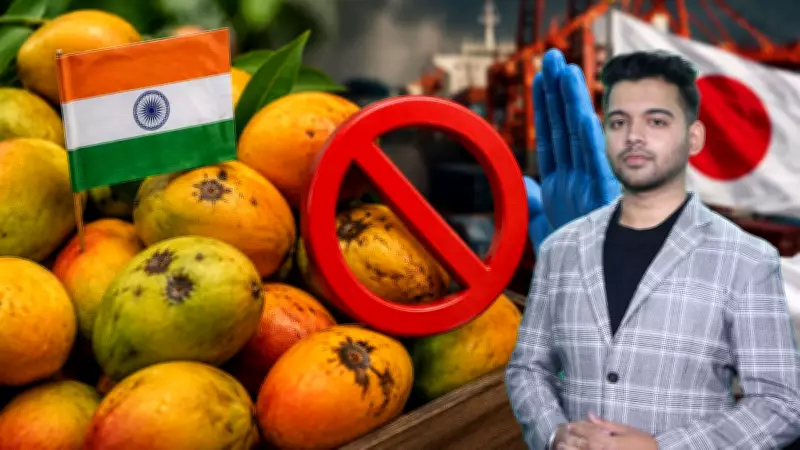
India's mango exporters are grappling with a significant setback after Japan temporarily suspended imports of fresh Indian mangoes, including popular varieties such as Alphonso, Kesar, Langra, and Banganapalli. Japanese authorities reportedly identified shortcomings in fumigation and phytosanitary treatment procedures during inspections conducted at Indian export facilities earlier this year.
Impact on Export Season
The suspension comes during the crucial April-to-June export season, creating uncertainty for exporters and farmers connected to the mango supply chain. While Japan is not India's largest mango market, it remains a premium destination known for its strict food safety and plant protection standards. The timing of the ban has dealt a blow to the industry, which was already facing challenges.
Rising Air Freight Costs
In addition to the Japanese ban, exporters are struggling with soaring air freight costs. These costs have reportedly risen to nearly ₹580-590 per kilogram for shipments bound for the United States. The increase is attributed to global route disruptions, fuel price hikes, and the ongoing West Asia conflict. These factors have compounded the difficulties faced by mango exporters, making it harder to maintain profitability.

Government Response
Indian authorities are now in discussions with Japanese officials to resolve compliance concerns and restore exports before the season ends. The outcome of these talks will be critical for the mango industry, which is a significant contributor to India's agricultural exports. The government is also exploring ways to mitigate the impact of rising freight costs on exporters.
Industry Outlook
The mango export industry is closely monitoring the situation. Many stakeholders hope for a swift resolution to the Japanese suspension, as the loss of a premium market like Japan could have long-term repercussions. Meanwhile, exporters are diversifying their markets and seeking alternative routes to reduce freight expenses. The coming weeks will be crucial in determining the fate of this season's mango exports.