

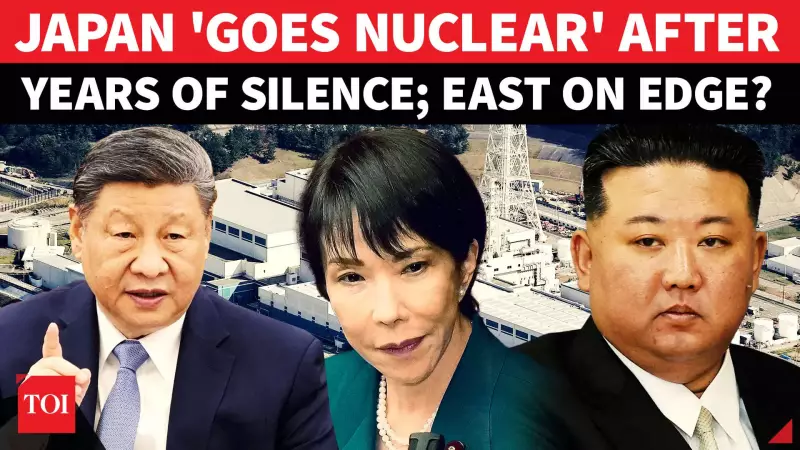
In a landmark decision that signals a dramatic pivot in its energy and security strategy, Japan has announced plans to restart the world's largest nuclear power facility after a 15-year hiatus. This move represents a significant departure from the nation's cautious stance adopted in the aftermath of the 2011 Fukushima Daiichi nuclear disaster.
A Strategic Reversal in Energy Policy
The focus of this historic restart is the Kashiwazaki-Kariwa nuclear power plant located in Japan's Niigata prefecture. This massive facility, with a potential output capacity of over 8,000 megawatts, has been idle since the nationwide nuclear shutdown prompted by the Fukushima catastrophe. The decision to bring it back online underscores the Japanese government's urgent drive to bolster energy security and reduce reliance on imported fossil fuels.
However, this strategic shift is not without its domestic challenges. Public opposition within the Niigata community remains notably strong, with residents and local officials expressing persistent concerns over safety protocols and disaster preparedness. The memory of Fukushima continues to cast a long shadow, making local consent a critical and ongoing hurdle for the national government.

Regional Reactions and Security Implications
The announcement has sent ripples across Northeast Asia, where neighbouring powers are monitoring developments with keen interest. According to reports, both China and North Korea are closely watching Japan's nuclear restart decision. Analysts suggest that the move could alter the regional strategic calculus, potentially sparking a new phase of energy and security dynamics.
The restart inevitably raises fresh questions about regional safety and stability. While Japan maintains the move is for peaceful energy generation, it occurs against a backdrop of heightened military tensions and nuclear weapons development in the region, particularly from North Korea. This has led to debates among observers about the broader implications for non-proliferation norms and strategic balance in Asia.
The Road Ahead: Challenges and Global Context
Japan's path forward involves navigating a complex web of technical, political, and diplomatic challenges. The government must rigorously address safety upgrades at the aging plant, continue efforts to win over a sceptical local populace, and manage the geopolitical messaging to its neighbours.
This decision places Japan at the centre of a global conversation about the future of nuclear energy in a world grappling with climate change and energy independence. The successful and safe restart of the Kashiwazaki-Kariwa plant could serve as a precedent for other nations reconsidering nuclear power. Conversely, any setback could reinforce global anxieties. The world will be watching as Japan takes this consequential step on December 22, 2025, marking a definitive turn in its post-Fukushima era.






