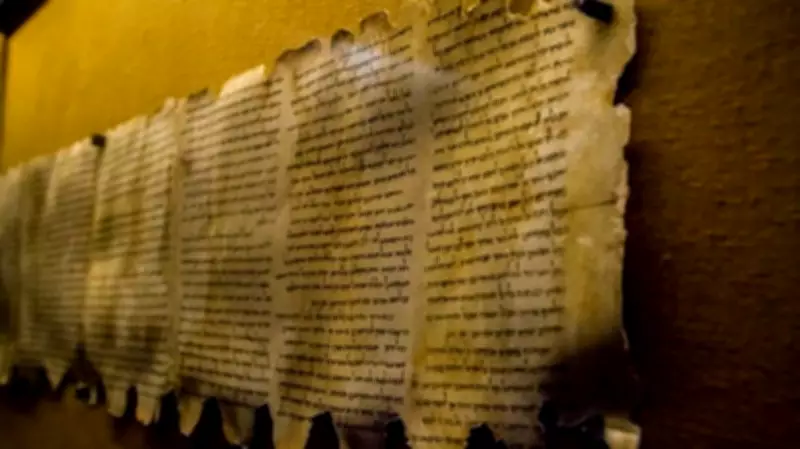
Work to preserve manuscripts in Karnataka is gaining significant momentum, with the state's archaeology department successfully mapping a total of 2,13,730 manuscripts. This initiative involves enumerators visiting museums, mutts, religious sites, and scholars' residences to locate and document these valuable historical documents.
Extensive Survey Underway
The systematic effort aims to identify and preserve manuscripts that are often fragile and at risk of deterioration. Enumerators are trained to handle these delicate artifacts with care, ensuring their condition is noted and proper preservation measures are recommended. The survey covers a wide range of locations, from urban museums to remote monastic libraries.
Karnataka Sanskrit University's Contribution
Currently, Karnataka Sanskrit University houses approximately 40,000 manuscripts, making it a key repository in the state. The university actively collaborates with the archaeology department to catalog and conserve these texts, many of which are centuries old and contain invaluable knowledge on subjects such as philosophy, medicine, astronomy, and literature.

The preservation project not only focuses on physical conservation but also on digitization. Digital copies are being created to ensure that the content remains accessible even if the original manuscripts deteriorate. This dual approach of physical and digital preservation is crucial for safeguarding Karnataka's rich cultural heritage.
Officials emphasize that the mapping process is meticulous. Each manuscript is assigned a unique identifier, and details such as its title, author, date, material, and condition are recorded. This database will serve as a reference for researchers and historians worldwide.
The initiative has received positive feedback from scholars and cultural enthusiasts. Many believe that preserving these manuscripts is essential for understanding India's intellectual history. The archaeology department plans to continue the survey until all manuscripts in the state are documented.
In addition to government efforts, local communities and religious institutions are being encouraged to participate in preservation activities. Workshops and training sessions are being organized to raise awareness about the importance of manuscript conservation.
With the mapping of over 2,13,730 manuscripts, Karnataka sets an example for other states in India. The project not only protects historical documents but also ensures that future generations can access and learn from this treasure trove of knowledge.