Nearly five decades after more than 150 rare antiquities from the historic temple town of Lakkundi in Gadag district were relocated to the National Museum in New Delhi, Karnataka has launched renewed efforts to bring the priceless treasures back home. The initiative comes at a crucial time when fresh excavations by the Archaeological Survey of India (ASI) have once again drawn national attention to Lakkundi, a heritage site the state is aggressively promoting for UNESCO World Heritage recognition.
Tourism Minister inspects Lakkundi collection
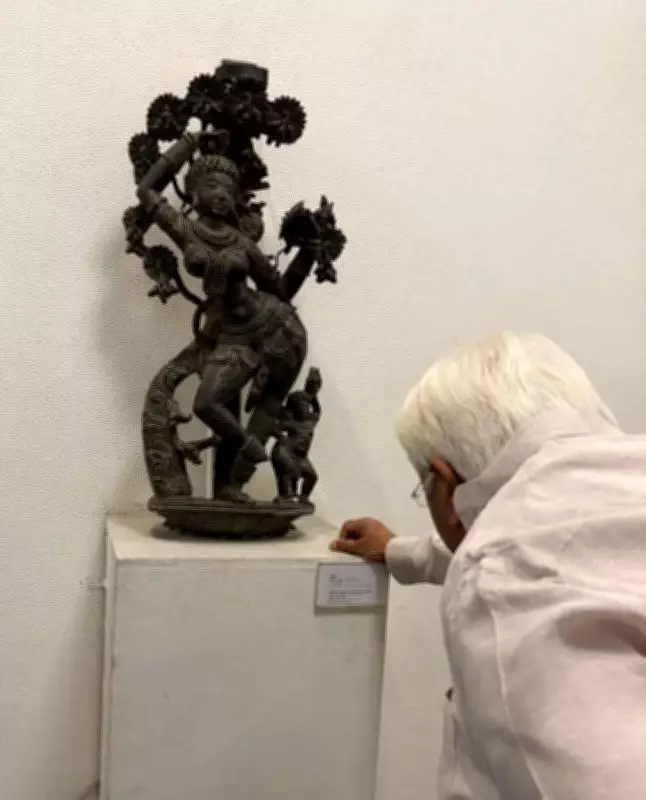
Karnataka Tourism Minister HK Patil, who visited the National Museum in New Delhi on Thursday, personally inspected the invaluable collection linked to Lakkundi—a region renowned for its rich Chalukyan architectural legacy. The artefacts include ancient weapons, rare gold and silver coins, intricately crafted jewellery, sculptures, and historical manuscripts. These items were handed over to the then Prime Minister Indira Gandhi on October 16, 1976, by heritage enthusiasts and conservationists DK Hebbur and TK Nayak for preservation and public display.
Plans for dedicated gallery and return of artefacts
Officials from the tourism department told TOI that the minister reviewed the condition and preservation of the collection and discussed the possibility of creating a dedicated gallery for the Lakkundi artefacts in New Delhi. Simultaneously, the state plans to initiate the required procedures for their permanent return to Karnataka, particularly to Lakkundi, where an open-air museum housing over 3,000 relics already exists. “The state government is keen on ensuring that these invaluable artefacts connected to Karnataka’s glorious history receive the recognition they deserve. We will initiate official discussions and legal procedures with the Centre, the Archaeological Survey of India and the National Museum to facilitate their return to Karnataka, particularly to Lakkundi,” the minister said. TOI had reported about the state government’s plan to secure UNESCO’s world heritage tag for Lakkundi monuments on October 16, 2025.

Fresh ASI excavations highlight Lakkundi’s significance
The government’s latest push to retrieve the artefacts assumes significance as ASI teams have recently resumed excavations in and around Lakkundi after a long gap, unearthing structural remains, temple fragments, and artefacts believed to belong to the Kalyana Chalukya period. Archaeologists believe these discoveries further reinforce Lakkundi’s historical importance as one of South India’s finest medieval urban settlements.
Lakkundi: Cradle of stone architecture
Often referred to as the “cradle of stone architecture” in Karnataka, Lakkundi is home to more than 50 ancient monuments, including intricately carved temples, stepped wells, and inscriptions that reflect the engineering brilliance and artistic excellence of the Chalukyan era between the 10th and 12th centuries. The Kasivisvesvara Temple and the elaborate manastambhas continue to attract historians, archaeologists, and conservationists from across the country.
UNESCO World Heritage bid boosted
The Karnataka government has now intensified efforts to secure UNESCO World Heritage status for Lakkundi, arguing that the site represents a unique blend of temple architecture, water management systems, and cultural heritage. Officials believe the return of the rare artefacts after nearly a 50-year hiatus could significantly strengthen Karnataka’s UNESCO bid while also boosting heritage tourism in the Central and North Karnataka regions.