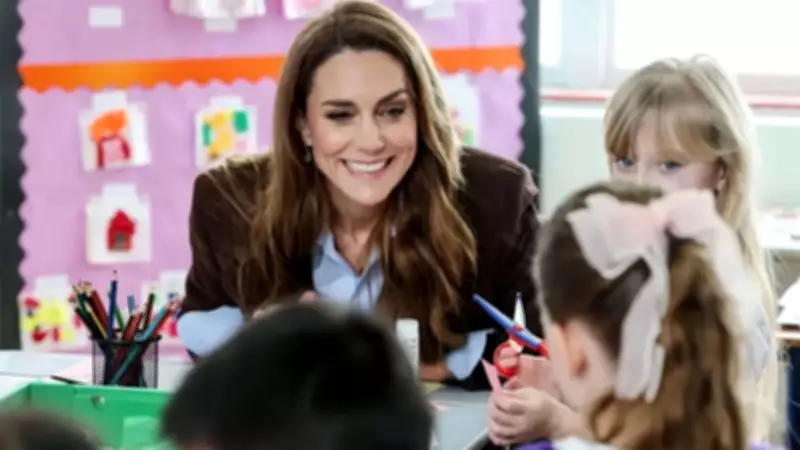
Kate Middleton is on the move again. Coming week, Catherine, Princess of Wales, is headed for northern Italy. And this time, it isn't some glossy, high-profile royal photo op. Instead, her focus is on something quieter, but massively important across the world: how young children learn.
Kate's spending two days in Reggio Emilia, home to a child-centered teaching philosophy that's become a kind of gold standard in early education. The trip is very much in line with her work at the Royal Foundation Centre for Early Childhood, a cause she's championed for years, always coming back to how those first years shape who we become.
Personally, it's a milestone for Kate. It's her first official trip abroad since going public with her cancer diagnosis, and it's a return to work that clearly matters to her. She's picking up right where she left off: putting the spotlight on children's mental health and development.

What's the Reggio Emilia approach?
It traces back to a moment in post-WWII Italy, when people in the city of Reggio Emilia wanted to build a better, more humane school system. Loris Malaguzzi, an educator and psychologist, helped shape a bold ethos: children aren't empty shells waiting to be filled. They're naturally curious and incredibly capable. Learning, according to this approach, should be social, creative, and rooted in exploration; not rigid lessons and endless tests.
The impact of this approach? Schools in over 140 countries now look to Reggio Emilia for inspiration. Its main point is simple but powerful: children learn best by interacting with people, objects, stories, nature, you name it. Reggio-inspired classrooms ditch stuffy desks for play, art, collaboration, and experimentation. One of the approach's best-known ideas is “the hundred languages of children,” meaning kids express themselves in countless ways through drawing, music, movement, and even silence.
Teachers in these classrooms are less about discipline and more about guidance. They pay close attention, help fuel curiosity, and, maybe most importantly, learn right alongside their students.
Moreover, it isn't just the teachers or curriculum that matter, though. In Reggio Emilia, the physical environment is also considered a teacher. Classrooms are full of natural light, plants, recycled materials, art supplies, mirrors, and open space. Learning feels active and connected to the world, not boxed in.
Kate's focus during the Italy visit
Community involvement is another core pillar of the Reggio Emilia approach. Families aren't outside observers, as they play an active role. Parents, teachers, and the community all contribute to a child's learning process.
This focus on relationships and emotional well-being fits perfectly with Kate's ongoing campaign. Since launching her Centre for Early Childhood in 2021, she's put a huge spotlight on how early experiences shape everything from mental health to long-term happiness. Her recent “Shaping Us” campaign homed in on emotional growth during the first five years of life.
Per People, Kensington Palace says Kate wants to see “first-hand how the Reggio Emilia approach brings together nature and human relationships to help children thrive.” On her trip, she'll be meeting local teachers, kids, parents, and civic leaders, getting an inside look at how Reggio Emilia schools do things differently.
As for the optics of Kate's Italy visit, her interest in the Reggio Emilia approach has grabbed so much international attention, and this high-profile visit could spark bigger discussions about rethinking childhood education: balancing academic skills with emotional development and resilience.