

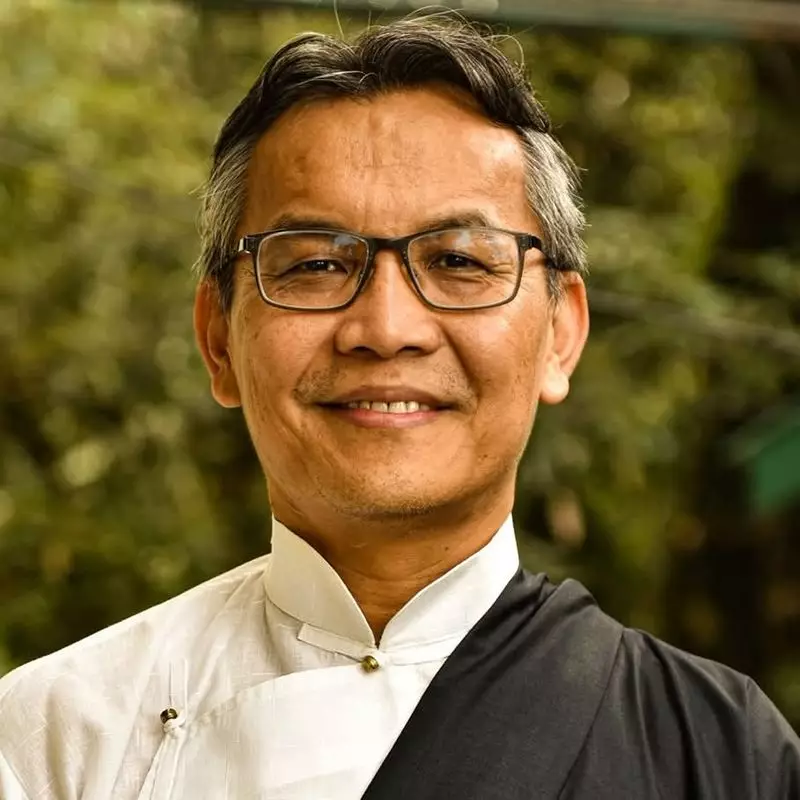
In a significant development for Tibetan diaspora politics, prominent leader Kaydor Aukatsang has officially declared his candidacy for the 2026 presidential election of the Tibetan government-in-exile. The announcement marks the beginning of what promises to be a closely watched electoral process among the global Tibetan community.
Political Background and Candidacy Announcement
Kaydor Aukatsang, who currently serves as the representative of the Central Tibetan Administration based in New York, made his presidential ambitions public through an official statement. The experienced politician brings substantial credentials to the race, having previously served as the settlement officer for the Tibetan settlement in Bylakuppe, Karnataka, India.
The presidential election is scheduled for 2026, when Tibetan citizens living in exile across the globe will cast their votes to choose their next political leader. This electoral process represents a crucial democratic exercise for the Tibetan diaspora community that has maintained its governmental structure in exile since 1959.

Electoral Process and Democratic Framework
The Tibetan government-in-exile, officially known as the Central Tibetan Administration, operates from Dharamshala, India, where the Dalai Lama established the administration after fleeing Tibet. The presidential elections follow a structured democratic process that allows Tibetans worldwide to participate in selecting their leadership.
The electoral system has evolved over decades to ensure fair representation of the global Tibetan community. Voters will include Tibetan citizens residing in various settlements across India, as well as those living in North America, Europe, and other parts of the world. The election administration works to facilitate voting through various mechanisms to ensure maximum participation.
Historical Context and Significance
The upcoming 2026 election continues the tradition of democratic governance that the Tibetan exile community has maintained for generations. Since the establishment of the exile administration, Tibetan leaders have worked to preserve Tibetan culture, language, and political identity while advocating for the cause of Tibet on the international stage.
Kaydor Aukatsang enters the race with substantial administrative experience and understanding of the challenges facing the Tibetan diaspora. His background in managing one of the largest Tibetan settlements in India provides him with practical insights into the community's needs and aspirations.
The presidential campaign will likely focus on key issues including the preservation of Tibetan cultural identity, engagement with the international community regarding the Tibetan cause, welfare programs for Tibetan refugees, and strategies for maintaining unity within the global Tibetan community.
As the election process unfolds over the coming months, candidates will present their visions for the future of the Tibetan exile community and their approaches to addressing the complex political challenges facing Tibetans worldwide.






