

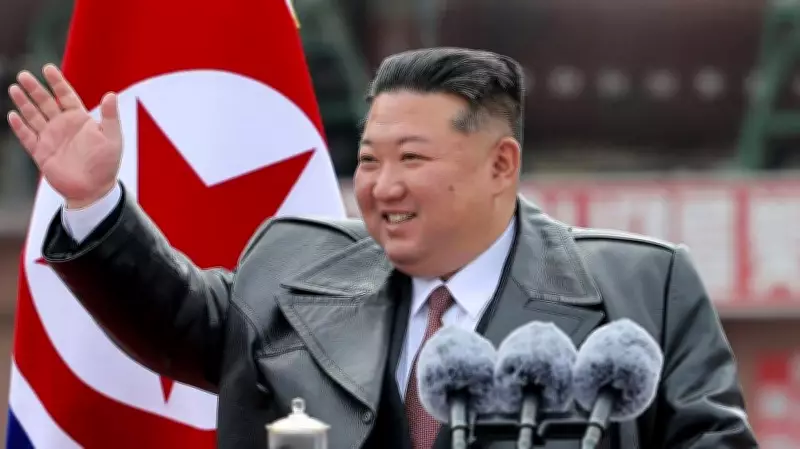
Kim Jong Un Asserts North Korea's Nuclear Status as Irreversible
In a significant development that has heightened geopolitical tensions in Asia, North Korean leader Kim Jong Un has made a bold declaration regarding the nation's nuclear capabilities. During a recent address, Kim Jong Un stated that North Korea's status as a nuclear power is now irreversible, signaling a firm stance against any potential denuclearization efforts. This announcement underscores the regime's commitment to maintaining its nuclear arsenal as a core component of its national security strategy.
Direct Threats Issued to South Korea
Alongside this declaration, Kim Jong Un issued explicit threats directed at South Korea. He warned that any attempts by South Korea or its allies to undermine North Korea's sovereignty or security would be met with severe consequences. These threats come amid ongoing military drills and diplomatic standoffs between the two Koreas, which have historically been a flashpoint for regional instability.
Implications for Regional and Global Security
The statement from Kim Jong Un has far-reaching implications for security dynamics in the Asia-Pacific region and beyond. By affirming the irreversibility of North Korea's nuclear status, the regime is effectively challenging international norms and sanctions aimed at curbing nuclear proliferation. This move could potentially derail diplomatic efforts, such as past negotiations involving the United States and other global powers, and increase the risk of military confrontations.

Experts suggest that this development may prompt heightened responses from neighboring countries and international bodies. South Korea, in particular, is likely to bolster its defense posture in response to the threats, while allies like the United States might reconsider their strategic approaches to the Korean Peninsula. The situation calls for careful monitoring as it evolves, given the potential for escalation in one of the world's most volatile regions.






