

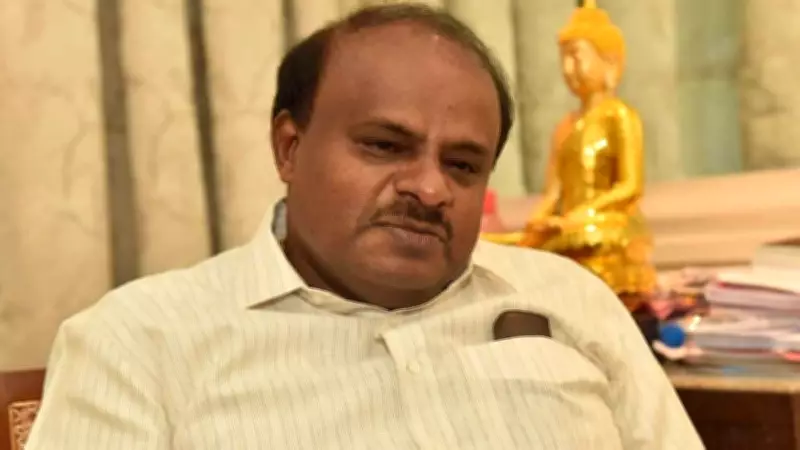
Union Minister for Heavy Industries and Steel, H.D. Kumaraswamy, chaired a high-level meeting in New Delhi on Wednesday to accelerate the deployment of electric buses and trucks across India. The meeting brought together senior officials from the Ministry of Heavy Industries, state transport corporations, and industry stakeholders to discuss strategies for boosting the adoption of electric vehicles (EVs) in the commercial transport sector.
Key Focus Areas
The discussions centered on several critical aspects to promote electric buses and trucks, including the development of charging infrastructure, financial incentives, and policy frameworks. Kumaraswamy emphasized the need for a collaborative approach between the central government, state governments, and private players to achieve the target of 50,000 electric buses by 2027 under the Faster Adoption and Manufacturing of Electric Vehicles (FAME) scheme.
Charging Infrastructure and Battery Swapping
One of the major challenges highlighted was the lack of adequate charging infrastructure for heavy-duty EVs. The meeting explored the potential of battery swapping technology for trucks and buses, which could reduce downtime and operational costs. Kumaraswamy directed officials to expedite the rollout of charging stations along major highways and in urban centers, with a focus on interoperability and grid integration.

Financial Incentives and Subsidies
The minister also reviewed the current subsidy structure under the FAME scheme, which provides incentives for electric buses. He stressed the need to simplify the application process for state transport undertakings and private fleet operators. Additionally, discussions included the possibility of introducing production-linked incentives (PLI) for manufacturers of electric trucks and buses to boost domestic manufacturing.
Stakeholder Collaboration
Representatives from state transport corporations, such as those from Delhi, Maharashtra, and Karnataka, shared their experiences and challenges in deploying electric buses. Industry leaders from companies like Tata Motors, Ashok Leyland, and Olectra Greentech presented their roadmaps for electric truck and bus production. Kumaraswamy urged them to focus on cost reduction and improved battery technology to make EVs more competitive with diesel vehicles.
Policy and Regulatory Support
The meeting also delved into the need for strong policy support, including GST reductions on EV components, scrappage incentives for old vehicles, and priority lane access for electric buses. Kumaraswamy assured stakeholders that the ministry would work with other departments, such as the Ministry of Road Transport and Highways, to address regulatory hurdles.
With the transport sector accounting for a significant share of India's carbon emissions, the push for electric buses and trucks is seen as a crucial step towards achieving the country's net-zero emissions target by 2070. The minister concluded the meeting by setting a timeline for the next review, emphasizing the importance of concrete action and measurable outcomes.






