

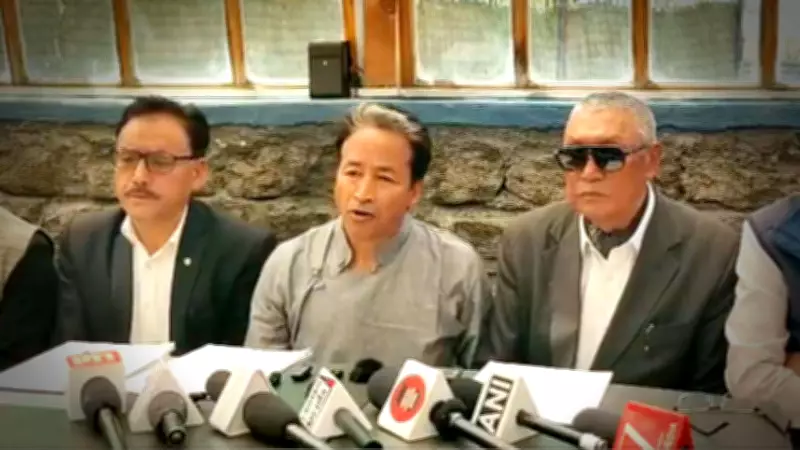
The ongoing Ladakh autonomy row has taken a new turn as activist Sonam Wangchuk highlighted significant gaps in the draft proposal, signaling a potential escalation of protests. Wangchuk stated that a sub-committee level dialogue held in Delhi on May 22 led to broad agreement on a proposed democratic framework for Ladakh, which includes an elected regional Assembly with legislative, executive, and financial powers. However, he claimed that the subsequent draft circulated for review did not clearly reflect a key understanding regarding the authority of elected representatives over the administrative machinery, including the role of the bureaucracy.
Key Concerns Raised by Wangchuk
According to Wangchuk, this omission has raised concerns among stakeholders involved in the talks. The lack of clarity on the authority of elected representatives over the bureaucracy is seen as a critical flaw that could undermine the proposed framework. Discussions on trust-building and institutional structure continue between representatives and the government, but the activist’s remarks indicate growing frustration.
Potential Escalation of Protests
Wangchuk’s statements suggest that the protest movement, which has been seeking greater autonomy for Ladakh, may intensify if the draft is not revised to address these concerns. The activist has been a prominent figure in the Ladakh autonomy movement, and his warning signals a possible escalation in the coming days. The government has yet to respond officially to the allegations, but the dialogue process remains ongoing.

The Ladakh autonomy issue has been a contentious topic, with demands for greater self-governance and protection of the region’s unique cultural and geographical identity. The proposed democratic framework is seen as a step toward addressing these demands, but the recent developments have cast doubt on the progress of the negotiations.






