Landslides Claim Lives at Rohingya Camps
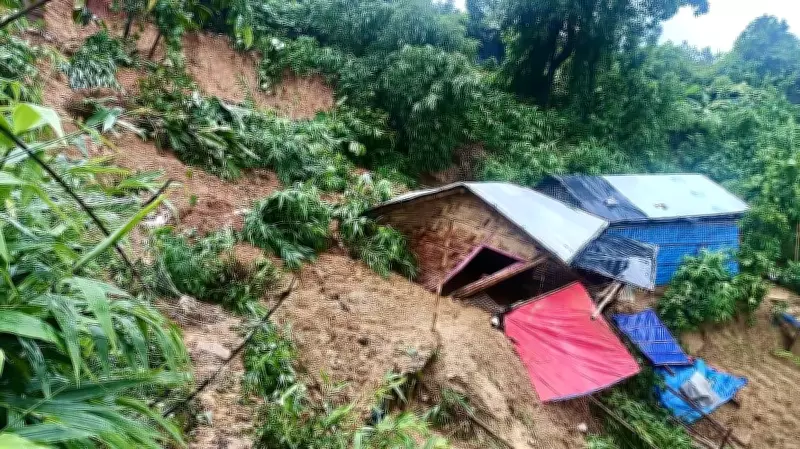
At least eight people, including children, were killed in landslides that struck Rohingya refugee camps in Bangladesh's Cox's Bazar district following heavy monsoon rains, officials confirmed on Sunday.
The landslides occurred late Saturday night and early Sunday morning in the Ukhiya and Teknaf areas, where over one million Rohingya refugees reside in cramped, makeshift shelters.
Details of the Incident
According to Mohammad Abul Kalam, the refugee relief and repatriation commissioner in Cox's Bazar, the victims were buried under mud and debris when hillsides collapsed. Among the dead were five children and three adults. Rescue teams recovered all bodies by Sunday afternoon.

“The heavy downpour caused the soil to become loose, leading to the landslides. We are providing emergency assistance to affected families,” Kalam said.
Impact on Refugees
The Rohingya camps, already plagued by overcrowding and inadequate infrastructure, are highly vulnerable to monsoon-related disasters. The United Nations has warned that climate change is exacerbating risks for the refugees.
Local authorities have relocated over 1,000 families from high-risk areas to safer locations. However, many refugees remain in dangerous zones due to a lack of alternatives.
Response and Aid Efforts
The Bangladesh government, along with aid agencies like the International Organization for Migration (IOM) and UNHCR, is coordinating relief operations. Emergency supplies, including food, water, and tarpaulins, are being distributed.
“Our teams are on the ground assessing the damage and providing medical care to the injured,” said a UNHCR spokesperson.
Broader Context
Bangladesh experiences annual monsoon rains from June to October, often triggering landslides and floods. The Rohingya refugee crisis began in 2017 when over 700,000 Rohingya fled Myanmar's Rakhine State following a military crackdown.
The camps in Cox's Bazar are among the world's largest refugee settlements, with limited access to proper housing and drainage systems, making them disaster-prone.