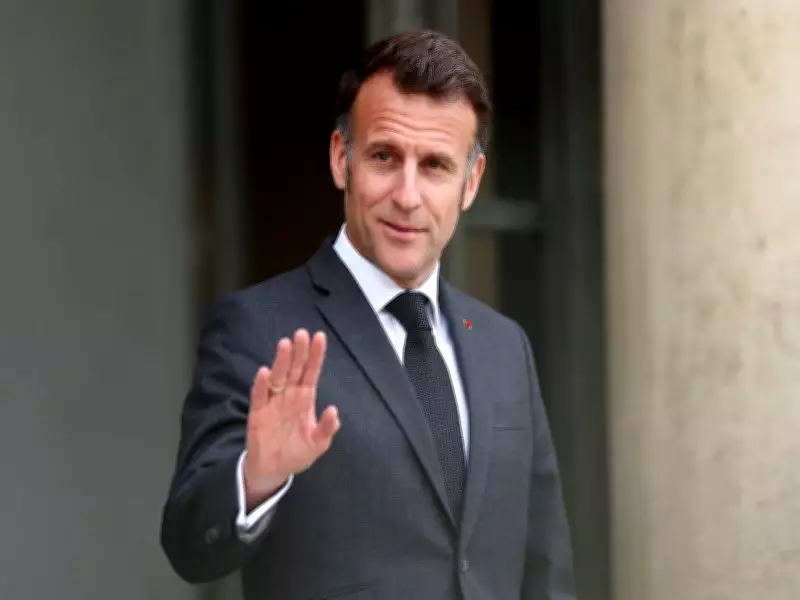
French President Emmanuel Macron has called for a coordinated effort between the United States and Iran to reopen the Strait of Hormuz, a critical waterway for global oil shipments. The appeal comes amid heightened tensions following the launch of 'Project Freedom,' a US-led maritime security initiative in the region.
Background of the Crisis
The Strait of Hormuz, located between Oman and Iran, is a strategic chokepoint through which about 20% of the world's oil passes. Recent incidents involving oil tankers and drone attacks have raised concerns about freedom of navigation. The US has accused Iran of threatening maritime security, while Iran views US presence as provocative.
Macron's Proposal
Speaking at a press conference in Paris, Macron emphasized the need for de-escalation and dialogue. 'We must avoid any miscalculation that could lead to a broader conflict,' he stated. He proposed a framework where the US and Iran would jointly ensure safe passage through the strait, with European mediation.

Reactions from Key Players
The US administration has not officially responded, but sources indicate skepticism about direct talks with Iran. Iranian officials have expressed openness to negotiations but demand an end to sanctions. Meanwhile, Gulf states remain divided, with Saudi Arabia supporting the US initiative and Qatar backing dialogue.
Implications for Global Markets
The uncertainty has already impacted oil prices, which have fluctuated sharply. Analysts warn that any disruption to the Strait of Hormuz could lead to a spike in energy costs and affect global economic stability. Macron's call for coordination is seen as an attempt to prevent such a scenario.
International observers note that France's role as a mediator could be crucial, given its diplomatic ties with both Washington and Tehran. However, achieving a breakthrough will require significant concessions from both sides.