The ambitious Mumbai-Ahmedabad bullet train project has achieved a significant milestone with the approval of crucial land acquisition and infrastructure plans. This development marks a major step forward for India's first high-speed rail corridor, which aims to connect the financial capital of Mumbai with Ahmedabad, the commercial hub of Gujarat.
Land Acquisition Progress
Authorities have successfully secured the necessary land parcels for the project, overcoming one of the most challenging hurdles. The land acquisition process, which involved negotiations with multiple stakeholders, has been completed for the majority of the route. This paves the way for construction to proceed without further delays.
Infrastructure Plans Approved
In addition to land acquisition, the project's detailed infrastructure plans have received the green light from relevant government bodies. These plans include the design of stations, bridges, tunnels, and other critical components. The approval ensures that the project adheres to international standards and safety regulations.

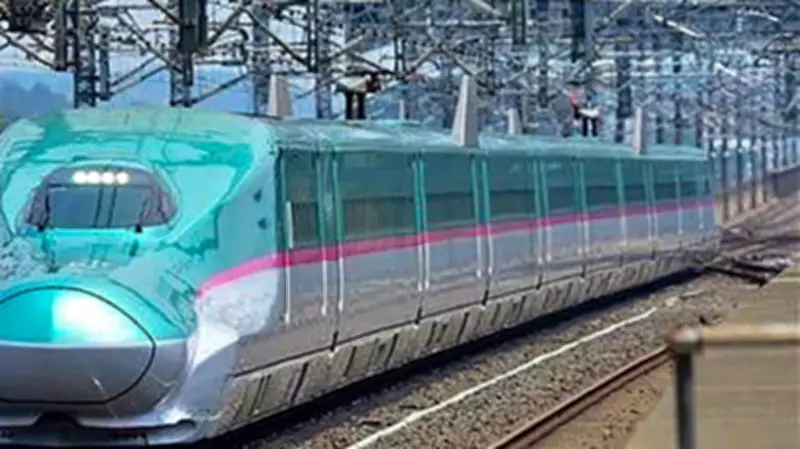
The Mumbai-Ahmedabad bullet train, once completed, will reduce travel time between the two cities from the current six hours to approximately two hours. The train will operate at speeds of up to 320 kilometers per hour, offering a comfortable and efficient mode of transportation.
Economic and Social Impact
The project is expected to have a profound impact on the region's economy. It will create thousands of jobs during the construction phase and boost tourism and business travel. Moreover, the high-speed rail corridor is likely to spur development in intermediate cities and towns along the route.
The bullet train project is being implemented with technical and financial assistance from Japan. The Japanese Shinkansen technology, known for its safety and punctuality, will be deployed. The total cost of the project is estimated at around 1.08 lakh crore rupees.
Challenges and Future Steps
Despite the progress, challenges remain, including the need for environmental clearances and the relocation of affected communities. Authorities have assured that all necessary measures will be taken to minimize disruption and ensure sustainable development.
The next phase involves the actual construction work, which is expected to commence soon. The project is scheduled to be completed by 2028, with trial runs likely to begin earlier.
This milestone brings India closer to joining the league of nations with high-speed rail networks, promising a transformative impact on transportation and regional development.