Nearly five years after seizing power in a 2021 coup, Myanmar's military regime is pushing ahead with a controversial plan for general elections. Scheduled to be held in three phases starting December 28, 2025, these polls are being touted by the junta as a step toward national stability. However, a closer look reveals a process that is widely boycotted, deeply flawed, and more likely to exacerbate the country's violent conflict, with direct consequences for India's northeastern states.
A Deeply Flawed Electoral Process
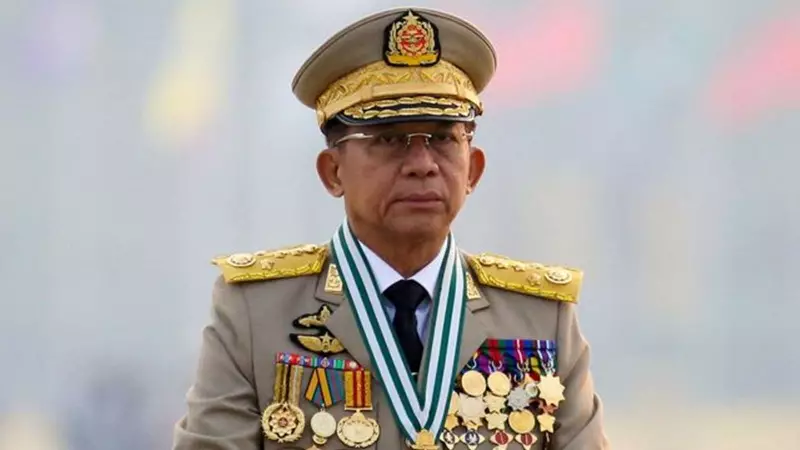
While junta chief Senior General Min Aung Hlaing publicly advocates for "inclusive, free and fair" elections, the regime's actions tell a different story. The elections will be conducted under the 2008 constitution, a document crafted to permanently cement the military's dominant role in politics. The core democratic principle of broad participation is being systematically undermined.
The military-controlled United Election Commission has actively shaped the political field. It has approved the registration of military proxy parties and a handful of ethnic parties aligned with the junta, while rejecting numerous genuine ethnic minority parties. This ensures the outcome will lack legitimacy and fail to represent Myanmar's diverse social fabric.

Elections Amidst Active Conflict and Regional Fallout
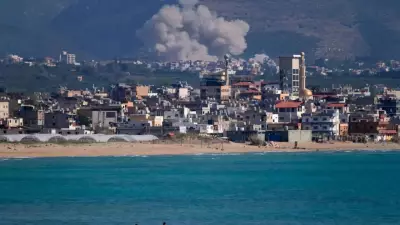
The junta plans to hold votes in territories where it does not have full control, a move guaranteed to spark violence. In Rakhine State, for example, polls are announced for Sittwe, Kyaukphyu, and Manaung townships. These areas are heavily influenced by the Arakan Army, which has vowed to resist the military's efforts. Recent airstrikes on a civilian hospital in Rakhine underscore the regime's readiness to use extreme force.
This persistent conflict has dire regional implications, especially for India. Since the coup and the major offensive known as Operation 1027, Myanmar's refugee crisis has intensified. India's northeastern states, particularly Mizoram, Manipur, and Nagaland, continue to see a sustained influx of people. Any new wave of violence triggered by the elections will worsen this flow.
In Mizoram's Champai district, limited resources and opportunities are already straining relations between locals and refugees. The situation is even more delicate in Manipur, where society remains fragile after the violence that began on May 3, 2023.
The Narcotics Threat and Security Challenges for India
Myanmar's protracted war and economic collapse have fueled another major problem: the drug trade. The country remains the world's largest producer of opium, as confirmed by the UN Office on Drugs and Crime. The narcotics economy is thriving, and India's northeastern states lie directly in its path.
Assam, Mizoram, Manipur, and Nagaland, which border Myanmar, are key transit routes. Drug seizures are reported almost weekly in these regions, highlighting their vulnerability to the spillover effects of Myanmar's instability. This poses a significant law and order challenge for Indian authorities.
In essence, the planned elections are not a genuine democratic transition but a tactical maneuver by the junta to consolidate its grip. Far from bringing peace, they risk plunging Myanmar into greater chaos, with instability, refugees, and illicit drugs directly impacting the security and social fabric of India's Northeast.