Nepal's Political Landscape Transformed as Gen Z Drives RSP to Dominant Election Win
In a stunning electoral outcome that has reshaped Nepal's political dynamics, the Rastriya Swatantra Party (RSP), led by the popular figure Balendra Shah, has secured a commanding lead in more than two-thirds of the contested seats. This remarkable performance underscores a significant shift in voter sentiment, particularly among the younger generation, who have rallied behind Shah's vision for change.
Balendra Shah's RSP Emerges as the Uncontested Frontrunner
Preliminary results from the recent elections indicate that the RSP is poised to claim a substantial majority, with leads established in a vast majority of constituencies. This development marks a dramatic departure from traditional political alignments in Nepal, as Shah's party capitalizes on widespread discontent with established parties and offers a fresh, reform-oriented agenda.
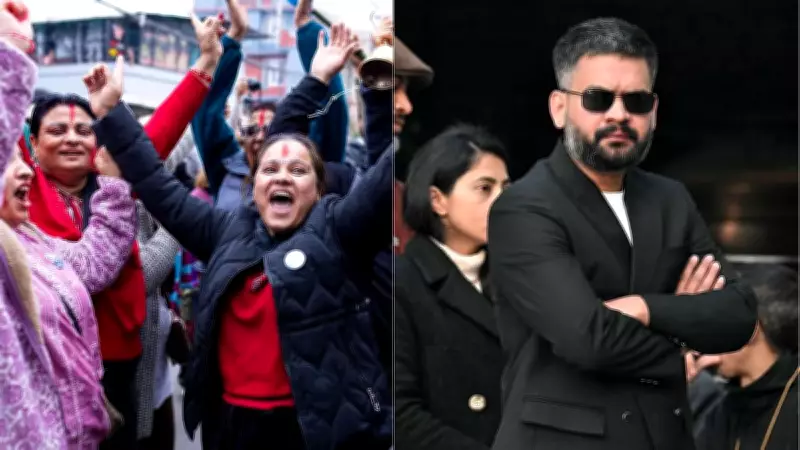
The surge in support for the RSP is largely attributed to its effective engagement with Gen Z voters, who have become a pivotal force in the electoral process. This demographic, characterized by its digital savviness and demand for transparency, has found resonance in Shah's messages of accountability and progressive governance.

Gen Z's Influence: A Decisive Factor in the Election Outcome
The election results highlight the growing political clout of Nepal's youth, with Gen Z voters turning out in large numbers to back the RSP. Their preference for Shah's party reflects a broader trend of younger generations seeking alternatives to conventional political structures, driven by issues such as economic opportunities, environmental sustainability, and social justice.
Analysts note that the RSP's success in mobilizing this demographic has been facilitated by strategic use of social media and grassroots campaigns, which have effectively communicated the party's platform and connected with young voters on a personal level. This approach has not only galvanized support but also fostered a sense of ownership among the youth in shaping Nepal's future.
Implications for Nepal's Governance and Future Elections
With the RSP leading in such a significant portion of seats, the party is expected to play a central role in forming the next government. This outcome signals a potential era of political realignment, where new parties with strong youth appeal can challenge and overtake long-standing political entities.
The election results also raise important questions about the future direction of Nepal's policies, particularly in areas prioritized by Gen Z voters. Key issues likely to gain prominence include:
- Economic reforms aimed at job creation and entrepreneurship
- Enhanced focus on climate change and environmental protection
- Improvements in education and healthcare systems
- Strengthening of digital infrastructure and technological innovation
As the final results are tallied, the political landscape in Nepal stands at a crossroads, with the RSP's anticipated dominance heralding a new chapter in the country's democratic journey. The overwhelming support from Gen Z voters not only validates Shah's leadership but also sets a precedent for future elections, where youth engagement will be crucial for political success.