Nepal's Pivotal Elections: A Battle for Democratic Future
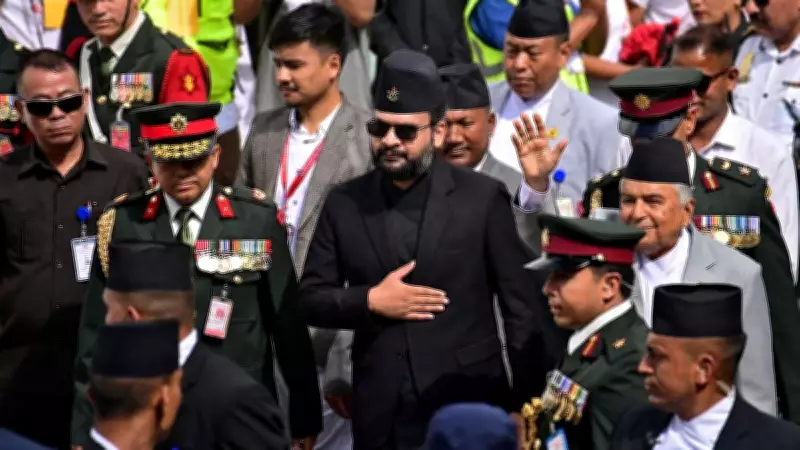
Nepal is gearing up for crucial elections that will shape the nation's political landscape and determine its path forward. The stakes are exceptionally high as various political factions compete for power in a contest that could redefine governance and stability in the Himalayan republic.
Major Contenders in the Electoral Arena
The election field is dominated by several key political parties, each with distinct ideologies and agendas. The Nepali Congress, a centrist party with a long history in Nepali politics, is positioning itself as a force for democratic continuity and economic reform. Meanwhile, the Communist Party of Nepal (Unified Marxist–Leninist) and the Communist Party of Nepal (Maoist Centre) are leveraging their leftist platforms, focusing on social justice and anti-corruption measures. Smaller regional and ethnic-based parties are also playing significant roles, aiming to influence coalition dynamics and secure representation for marginalized communities.
What Is at Stake in These Elections?
The outcomes of these polls carry profound implications for Nepal's future. Political stability is a primary concern, as the country has experienced frequent government changes and coalition instability in recent years. A clear mandate could pave the way for more consistent governance and policy implementation. Economic growth is another critical issue, with voters looking for leaders who can address unemployment, inflation, and infrastructure development. Additionally, the elections will test the strength of Nepal's democratic institutions, following its transition from a monarchy to a federal republic. The handling of constitutional issues, such as federalism and minority rights, will be closely watched by both domestic and international observers.

Challenges and Opportunities Ahead
Nepal faces numerous challenges that the incoming government must tackle. These include managing relations with neighboring countries like India and China, addressing climate change impacts on its fragile ecosystem, and combating corruption. However, the elections also present opportunities for renewed national unity and progress on long-standing development goals. The participation of youth and women in the electoral process is expected to be a key factor, potentially driving more inclusive policies.
As Nepal prepares to vote, the world is watching to see how this young democracy navigates its complex political terrain. The results will not only determine the next government but also signal the direction of Nepal's democratic journey in the years to come.