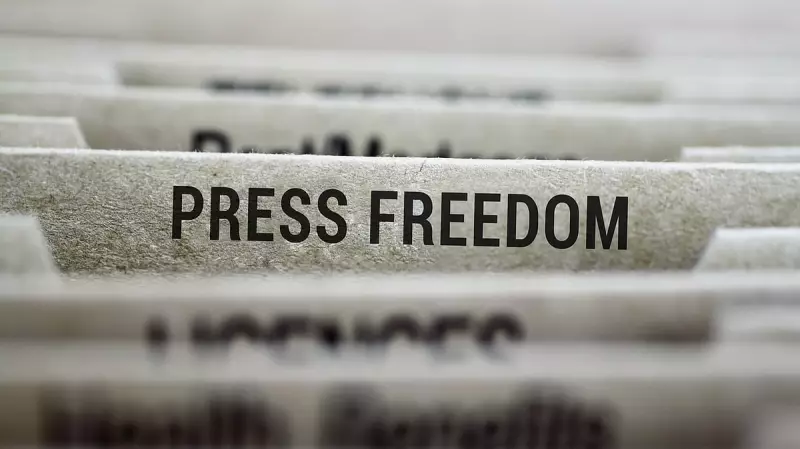
A damning new report has exposed a severe deterioration in the safety and freedom of the press in Nepal during the year 2025. The findings, released by the Federation of Nepalese Journalists (FNJ), indicate that violations against journalists and media institutions increased by a staggering three-fold compared to previous years.
Alarming Statistics from the FNJ Report
The data, made public on 31 December 2025, paints a grim picture for media professionals in the Himalayan nation. According to the FNJ's annual assessment, a total of 118 journalists faced various forms of intimidation, harassment, or violence while performing their duties. Furthermore, 31 media houses were targeted and affected during the various political and social movements that swept across the country throughout the year.
The most tragic figures from the report concern the ultimate price paid for reporting. The FNJ confirmed that two journalists lost their lives in the line of duty in 2025. These deaths underscore the extreme risks faced by those working to inform the public, turning the year into one of the most dangerous periods for Nepali media in recent memory.

A Climate of Intimidation and Violence
The report documents that the violations were not isolated incidents but occurred systematically during various protests, political rallies, and civil movements. Journalists found themselves caught in the crossfire, often targeted by state and non-state actors attempting to control the narrative or suppress critical reporting.
The types of violations recorded include, but are not limited to:
- Physical assaults and threats of violence.
- Arbitrary arrests and detentions.
- Cyberbullying and online harassment campaigns.
- Attacks on media office infrastructure.
- Legal intimidation through frivolous lawsuits.
This hostile environment has created a chilling effect, potentially leading to self-censorship among reporters and editors who fear reprisal for their work.
Implications for Democracy and Regional Press Freedom
The sharp decline in press freedom in Nepal has serious implications not just for the country but for the broader South Asian region. A free press is a cornerstone of any functioning democracy, acting as a watchdog on power and a voice for the citizenry. When journalists are silenced through fear or force, the flow of credible information dries up, undermining informed public discourse and accountability.
The FNJ's report serves as a critical wake-up call for the Nepali government, civil society, and international observers. It highlights an urgent need for:
- Concrete actions to ensure the physical safety of journalists.
- Legal reforms to protect media rights and punish perpetrators of violence.
- A renewed commitment from all political factions to uphold the principles of a free press as enshrined in Nepal's constitution.
As the world moves into 2026, the situation in Nepal will be closely monitored by global press freedom advocates. The triple increase in violations marks a dangerous regression that demands immediate and sustained intervention to reverse the trend and protect those who work to bring truth to light.