

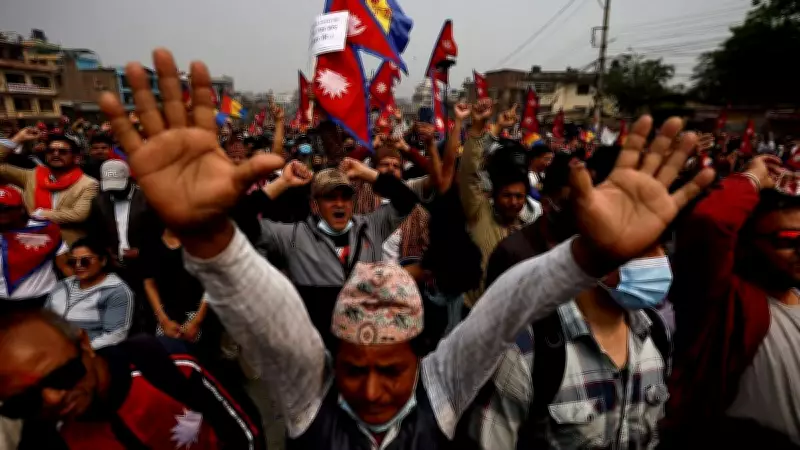
Nepal's democratic trajectory faces renewed challenges as old authoritarian habits resurface. The government's selective accountability, including banning unions and weaponising legal instruments, risks dragging the country back toward echoes of monarchy. These actions undermine the democratic gains made since the end of the civil war and the abolition of the monarchy in 2008.
Union Ban and Legal Weaponisation
The recent ban on trade unions in certain sectors has drawn sharp criticism from civil society and opposition parties. Critics argue that the move stifles workers' rights and democratic dissent. Simultaneously, the government has been accused of using laws selectively to target political opponents, raising concerns about the independence of the judiciary and the rule of law.
Democratic Drift
Political analysts warn that such measures erode public trust in democratic institutions. The pattern of selective accountability—where some groups face harsh penalties while others enjoy impunity—mirrors the authoritarian practices of the past. This drift could alienate citizens and weaken Nepal's fragile democracy.

International Reactions
International observers have expressed concern. The United Nations and human rights organizations have urged Nepal to uphold democratic principles and protect fundamental freedoms. Without course correction, Nepal risks isolation and a return to instability.
As Nepal navigates these challenges, the need for inclusive dialogue and respect for democratic norms has never been greater. The government must balance security concerns with the preservation of hard-won democratic rights.






